So many people ask me questions about The Help (both the book and the film version), that I thought it would be better to let some historians, whose research can shed light on the subject, offer you a little context. Click on the link above. Editor, Pop South
Recently, The History Channel (THC) televised an hour-long special entitled You Don’t Know Dixie. Most historians haven’t come to expect much history from THC—a channel that is better known for airing shows like Ice Road Truckers and Swamp People. Since I am interested in popular representations of the American South, I tuned in and what I observed didn’t change my mind about how the South and southerners continue to be represented as stereotypes.
On the one hand, message boards and even a Facebook page for the show suggest that it has a solid fan base—at least among southern whites. For most of them, You Don’t Know Dixie doesn’t trade in negative stereotypes about the region and that’s reason enough to like the show. This is understandable given how the popular media can often showcases the region as a backwater.
The late Barney Barnwell--fiddler, moonshiner, hillbilly
And yet, there were stereotypes and much that was problematic about the program. You Don’t Know Dixie is heavy on trivia and relies on “well-known southerners” like Ty Pennington, Trace Adkins, and Jeff Foxworthy to tell us “hidden truths” about the region, with a couple of academics thrown in to make it legitimate. Well, them and Barney Barnwell, a fiddler and hillbilly moonshiner whose speech required subtitles.
Employing the term “Dixie,” rather than “South,” and borrowing from the Confederate battle flag to illustrate the “X” in the show’s title is an indication of its focus. The overarching message is that southerners (read: white) persevere in the face of outside challenges. Southern women don’t make the cut, and African Americans cook well or sing the blues. While not a reality show per se, it has the same quality, and the message of the program is reduced to a Hank Williams, Jr. song—a country boy can survive.
It’s no surprise that historians hated it, which they made clear in a discussion on H-South. And yet, the show will pass for “good” information about the region and THC may even purchase more episodes from North South Productions, the company that developed the program. So what’s a southern historian to do except complain? We could begin by doing a better job of engaging the general public with our scholarship. And I would argue that we should engage in a serious discussion about popular culture rather than ignoring it as too low brow to warrant our attention.

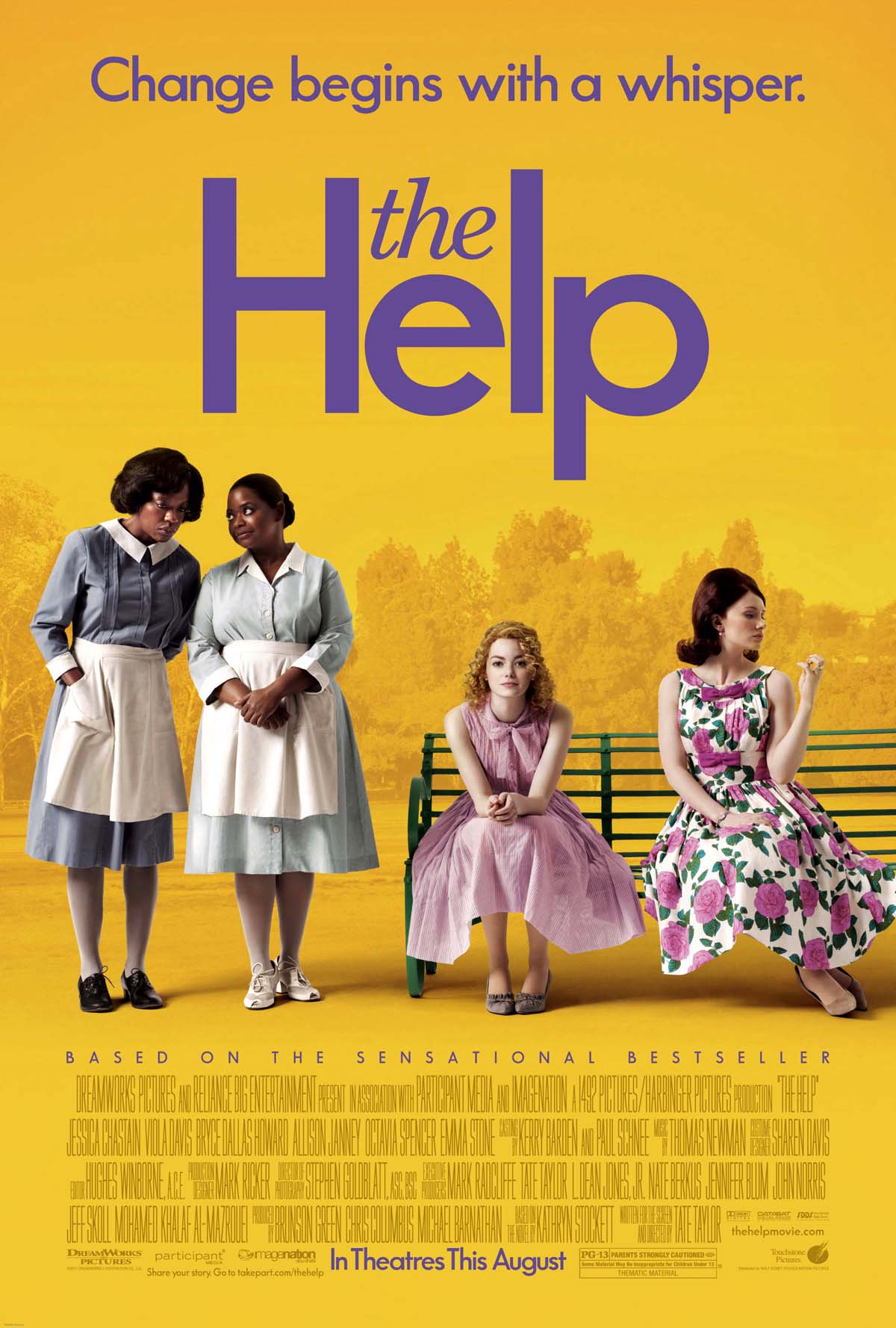 Historians on ‘The Help’: Vanessa May and Rebecca Sharpless Respond.

 Pop South