Occupy South Carolina? Yes. Republican debaters beware!

South Carolina is one of the most conservative states in the nation, a place where Republican presidential candidates are often assured of a supportive crowd.  So, when Michele Bachmann took to the stage to give a foreign policy speech aboard the WWII air craft carrier USS Yorktown, harbored near Charleston, South Carolina, she was taken by surprise when a group of around 30 protestors, affiliated with the Occupy Wall Street movement, shouted her down with chants of “you cater to the 1 percent!”  Instead of giving her policy speech, she was ushered off stage.  Score one for Occupy Charleston.

This was not a huge political story, but the fact that it took place in South Carolina drew significant media interest.  So often, it seems, the media delights in spreading the news of South Carolina’s political nuttiness.  To be fair, the state has often served as a wellspring of such stories in recent years.  Former governor Mark Sanford’s well-publicized affair with his Argentinian mistress, which included his weepy and weird press conference did nothing for the state’s political reputation.  Then, there was Alvin Greene, an unemployed Air Force veteran who was indicted for showing pornographic photos to a female student at the University of South Carolina, who still garnered enough votes to become the state’s Democratic nominee for the U.S. Senate.

Some in the media seem shocked that a pocket of populism (much less liberalism) exists in a state known for its conservative politics and its Tea Party governor, Nikki Haley.  The action taken by Occupy Charleston simply does not play into popular perceptions of the state; therefore, it was news that, even in South Carolina, people are taking a stand on behalf of the 99%.

This election, however, is ultimately about the economy and South Carolina is suffering.  The state’s unemployment rate is at 11% and in some areas that percentage is far higher. So, when the GOP’s presidential candidates gather tomorrow at Wofford College in Spartanburg for yet another debate, don’t be surprised if you hear from members of Occupy South Carolina and their friends in the pro-labor “Redneck Party” who are going after what they call “cheap labor” conservatives.  The Occupy Movement is alive and well in the Palmetto State. Don’t be so surprised.
“What about The Help?”

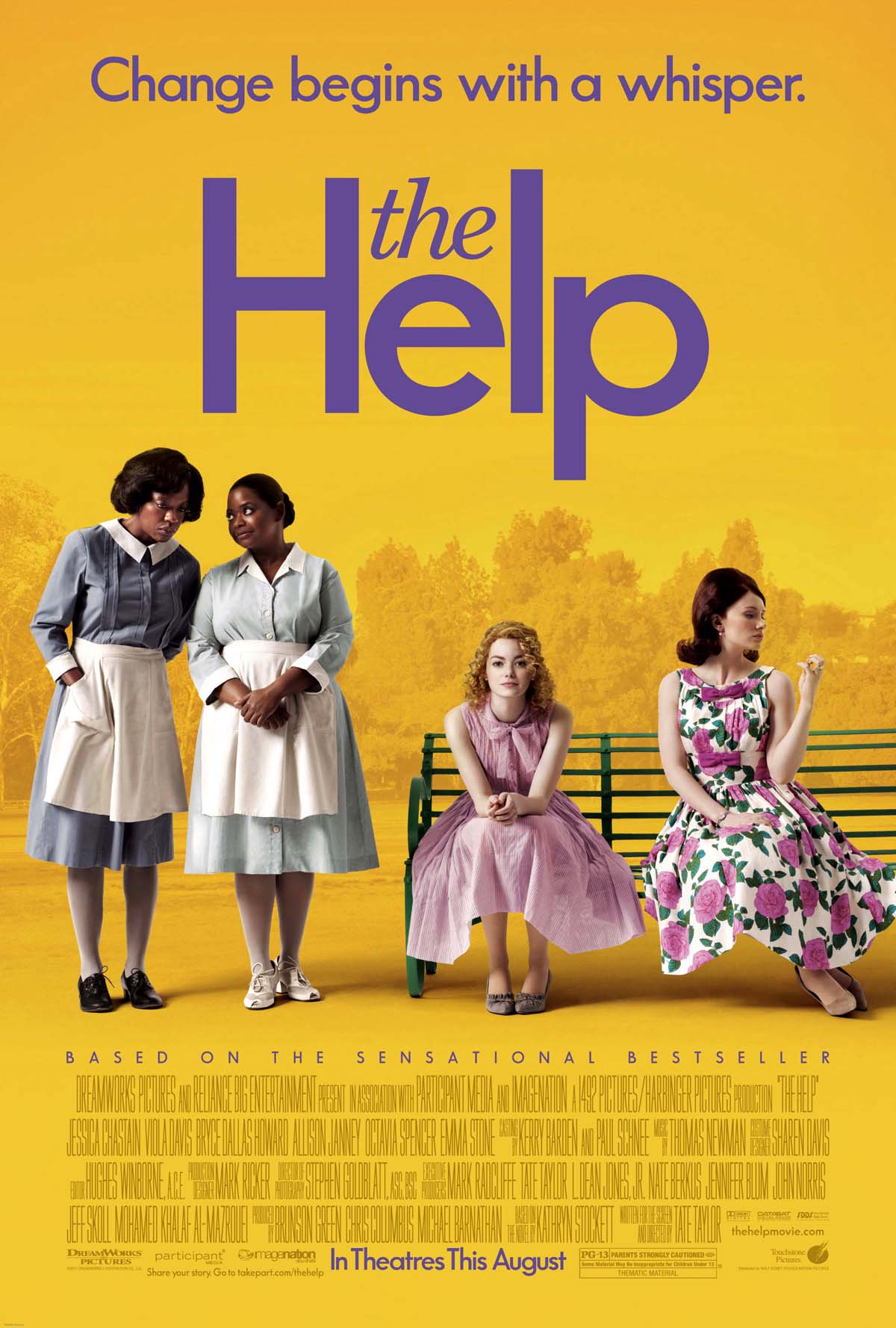
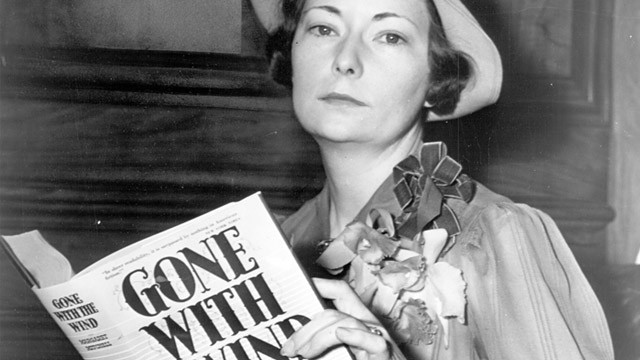
For the past several weeks, I have been traveling to promote the publication of my book Dreaming of Dixie—a study that explores representations of the South in popular culture up to World War II.  Still, even after explaining the book’s time frame, I am regularly asked “What about The Help?”  (One woman, more pointedly said “You didn’t even mention The Help!). In other words, what do I think of that book and its representations of the South?  The first time it happened, it took me off guard, because I had not read it (yes, it’s true). Instead, I was prepared to discuss the impact of Gone With the Wind.   So, I punted and happily recommended Rebecca Sharpless’s fine book Cooking in Other Women’s Kitchens and suggested they read it if they wanted a more historically accurate portrait. 

The thing about novels and movies that deal in history is that they so often get it wrong.  Gone With the Wind was a good story, and so is The Help, but let’s not kid ourselves that either makes the best history.  And yet, the success of a book like The Help means that historians will have to clear up the mistakes made in both the book and the film for a long time to come. (See, for example: An Open Statement to the fans of The Help from the Association of Black Women Historians.)

Still, I was curious as to what some readers of Stockett’s novel had to say.  As I write, there are more than 4,800 reviews of the book on Amazon.com, the majority of which are positive.  However, there are 261 readers (none who identify as historians) who gave the book less than stellar reviews.  It is clear that they, too, are concerned—not only by historical inaccuracies, but also the ways in which the book perpetuates stereotypes, specifically through the use of dialect.  As one reader put it (and very well, I might add):

“The way she presents it, the black vernacular becomes both abhorrent and belittling, particularly in that throughout most of the novel, Stockett avoided the use of the southern white vernacular when telling the story in the voice of the two main white characters, ‘Miss’ Skeeter, and ‘Miss’ Hilly.”

This particular remark seemed all too familiar to me, as I had read a similar criticism about Gone With the Wind when it was published.  In 1944, Earl Conrad, a vocal critic of Jim Crow, referred to writers who used dialect as “neo-Confederates,” because they used it to infer inferiority.  He considered Margaret Mitchell one of the worst offenders, because while she employed black dialect she never once used the nuances of language to illustrate a white southern drawl.  That book was published in 1936.  Stockett’s book—2009.

Seven decades after the publication of Gone With the Wind, it seems that a novel set in the Jim Crow South could and should move beyond the use of dialect.  As Conrad suggested, such writing “Jim Crows” African Americans by relegating them to the status of second-class citizens.

And that’s the “what” about The Help.