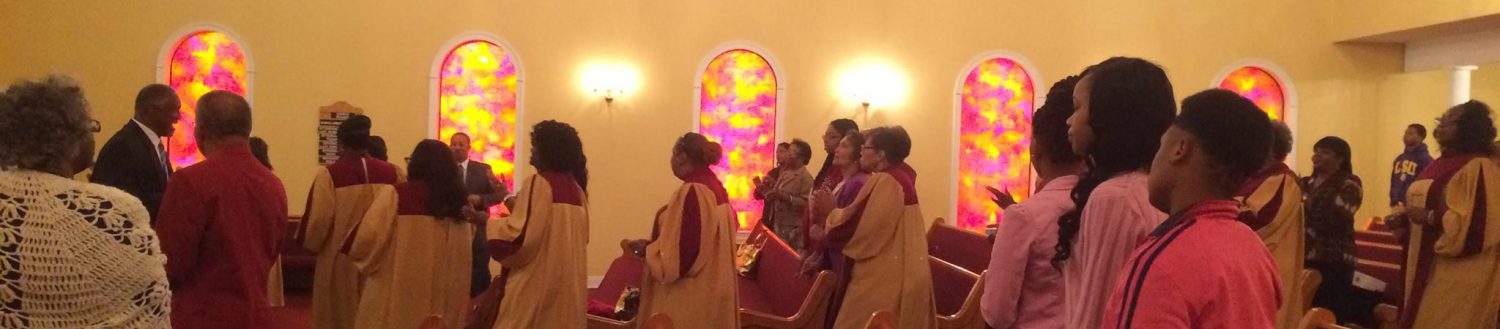
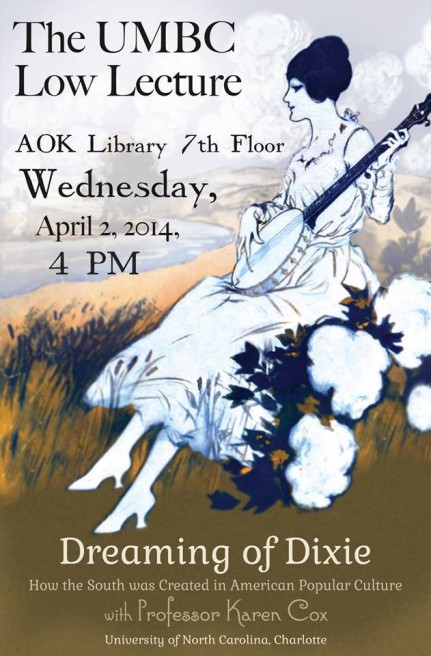
Next week I’ll be giving the annual Low Lecture, co-sponsored by the Department of History, at the University of Maryland Baltimore County. The good people there made this nice poster to accompany the talk.
Next week I’ll be giving the annual Low Lecture, co-sponsored by the Department of History, at the University of Maryland Baltimore County. The good people there made this nice poster to accompany the talk.
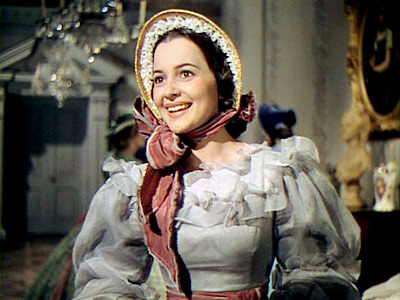
It seems fitting that after posting a blog about pop culture’s southern gentleman that I should talk about his counterpart, the southern belle. What follows is an edited version of an early blog I wrote for another site.
A few years ago TLC, the channel that still airs Here Comes Honey Boo Boo, brought us a show called Bama Belles. It seems unlikely that “belle” is an appellation anyone would apply to women who don camouflage to hunt or are ready to start a bar fight. Still, the conscious decision by the show’s producers to make “belles” part of the show’s title offers an opportunity to consider the evolution of the term that is now used to describe the women on this show. (Update: Bama Belles was cancelled after only a few episodes.)
“Belle” was originally applied to white women of the southern planter class and a woman who was classified as such was as much a creation of antebellum sentimental literature as she was real. During the nineteenth century, authors North and South placed her at the center of the plantation legend and idealized her as one who was as delicate as she was strong, and as feminine as she was a dominant figure of the plantation. Novelists and playwrights of the twentieth century, too, have made the southern belle central characters in their narratives. The most famous of these was Scarlett O’Hara, the protagonist in Margaret Mitchell’s 1936 epic Gone with the Wind. Scarlett, however, was more modern than her predecessors, which is one of the reasons women around the world found her appealing.
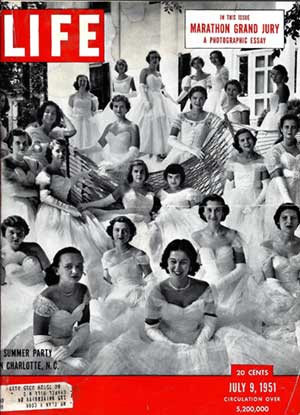
Mid-twentieth-century southern debutantes also donned the title of “belle.” No longer plantation mistresses, these belles were still members of the South’s white social elite. For its July 9, 1951 issue, Life magazine featured Charlotte, North Carolina, debutantes with the caption that they looked “as gracious as any ante-bellum belles,” a clear reference to their Old South antecedents. Being a debutante or a pageant queen has often qualified southern women as belles, and no fewer than a dozen southern contestants were crowned Miss America between the 1950 and 1980, which in its own way helped to perpetuate the image of southern women as belles. Then, in the 1980s, debutante and pageant queen came together in Delta Burke’s portrayal of Suzanne Sugarbaker on television’s Designing Women.
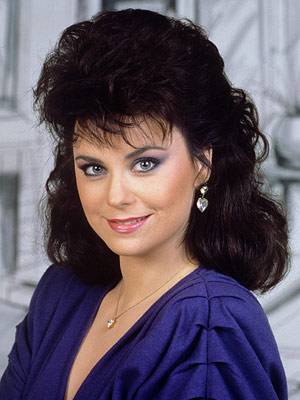
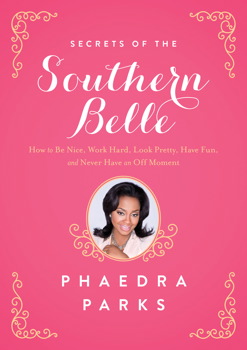
Over the last several years the term has been partially stripped of its “whites only” racial affiliation, illustrating how the term has evolved. Some years ago, I was having a conversation with someone who referred to the students at Bennett College (a private, historically black liberal arts college for women in Greensboro, North Carolina) as “belles.” Their student handbook is known as the “Bennett Belle Book,” their email is “Bellesmail,” and campus updates come in the form of “Belle Alerts.” Admittedly, it was the first time I had heard the term applied to black women, but it made sense given the socially elite dimensions of the term. It certainly applied to the fictional character Whitley Gilbert, an African American southern belle played by Jasmine Guy on the show A Different World (1987-1993) in a sitcom based on the fictional Hillman College. The tradition of the black southern belle continues with the most recent addition to the cast of The Real Housewives of Atlanta, attorney Phaedra Parks. She, too, is a self-proclaimed southern belle. On the one hand she is modern in her approach to “belledom,” and yet she has more traditional belle credentials, such as her participation in beauty pageants and her membership in Atlanta’s Junior League.
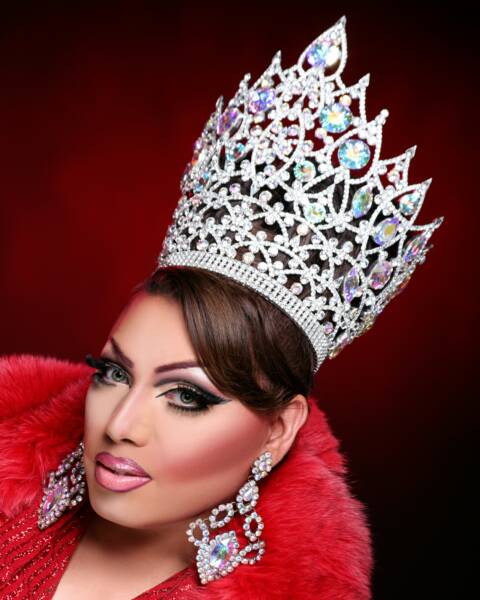
Some folks might be surprised that men, too, can be belles. Throughout the South they exist in the form of female impersonators. In fact, there are numerous regional pageants whose competitions are just as fierce as those held for women. I served as a guest judge for at least two such pageants in Hattiesburg, Mississippi, including one for “Miss Dixie,” and can vouch for the seriousness of the contestants to offer their best impression of the southern belle.
The one feature of the southern belle that seems to have remained consistent over time—regardless of race, class, or gender—is that it is largely a social performance.
Given that, the belle clearly tolls for anyone who’s interested in the part.
.
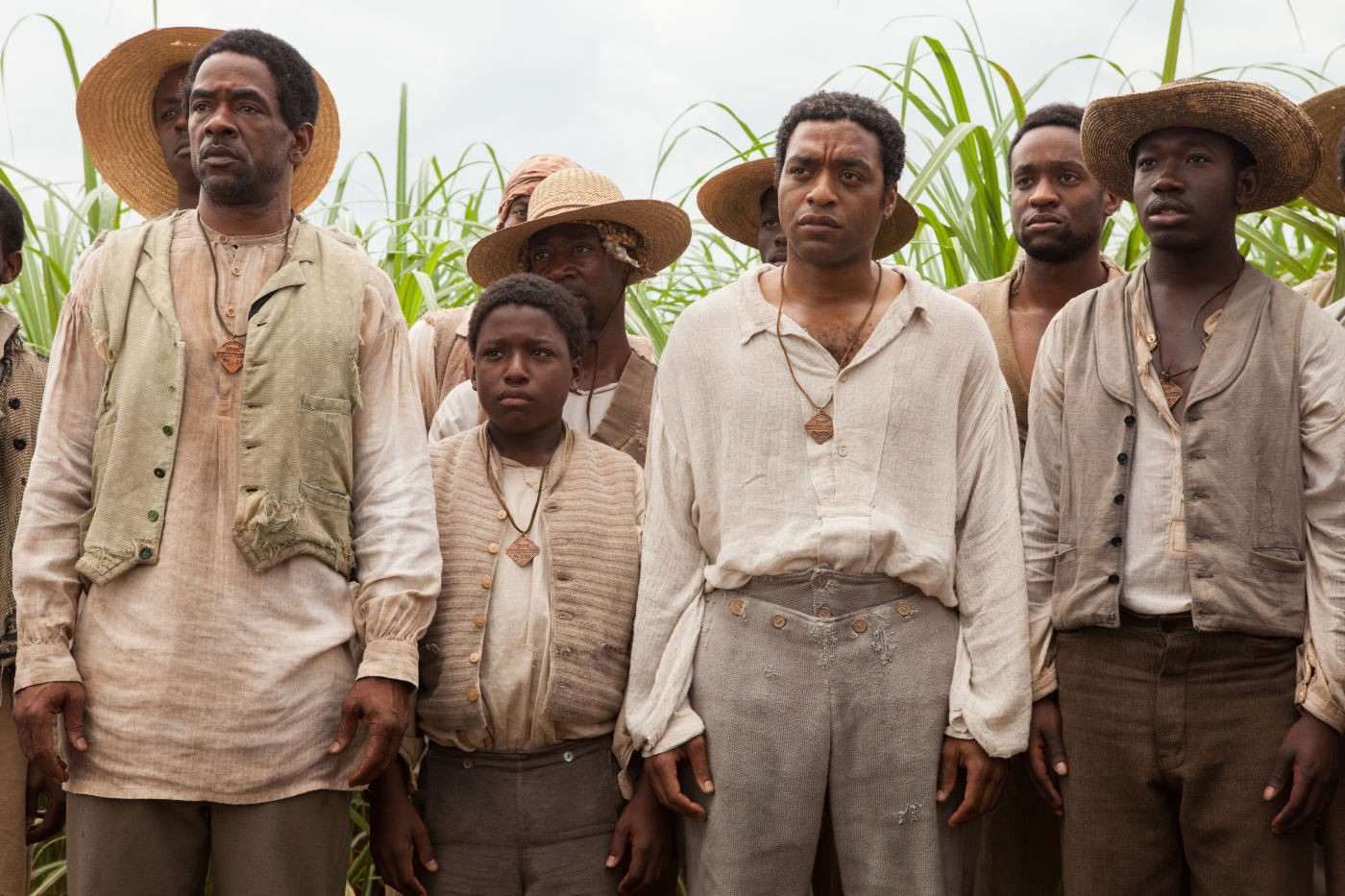
The American South has been the subject and setting for countless films over the years and many of them have been nominated for Best Picture, and more than a few have won the Oscar. And this year is no exception. Among the nominees for Best Picture are “12 Years a Slave,” most of which is set in Louisiana, and “Dallas Buyers Club,” set in Texas. (Update: 12 Years a Slave won Best Picture)
While the 1930s was known for movies set in the Old South, the first motion picture set in the region to receive an Oscar nomination was “I Am a Fugitive from a Chain Gang,” (1932) in which a wrongly-convicted James Allen (played by Paul Muni) serves time on a southern chain gang. The next southern-based film to get an Oscar nomination was “Jezebel” (1938), starring Bette Davis who won the Oscar for Best Actress. Set in Louisiana, it is one of the better films in the genre of the plantation legend, because of its stars, but it still employs African Americans in stereotypical roles. One year later, in 1939, “Gone with the Wind” (GWTW) surpassed all previous films of its kind and not only won Oscar for Best Picture, it was truly one of the first films to become a blockbuster, and its representation of the South shaped popular perceptions of the region for decades to come.
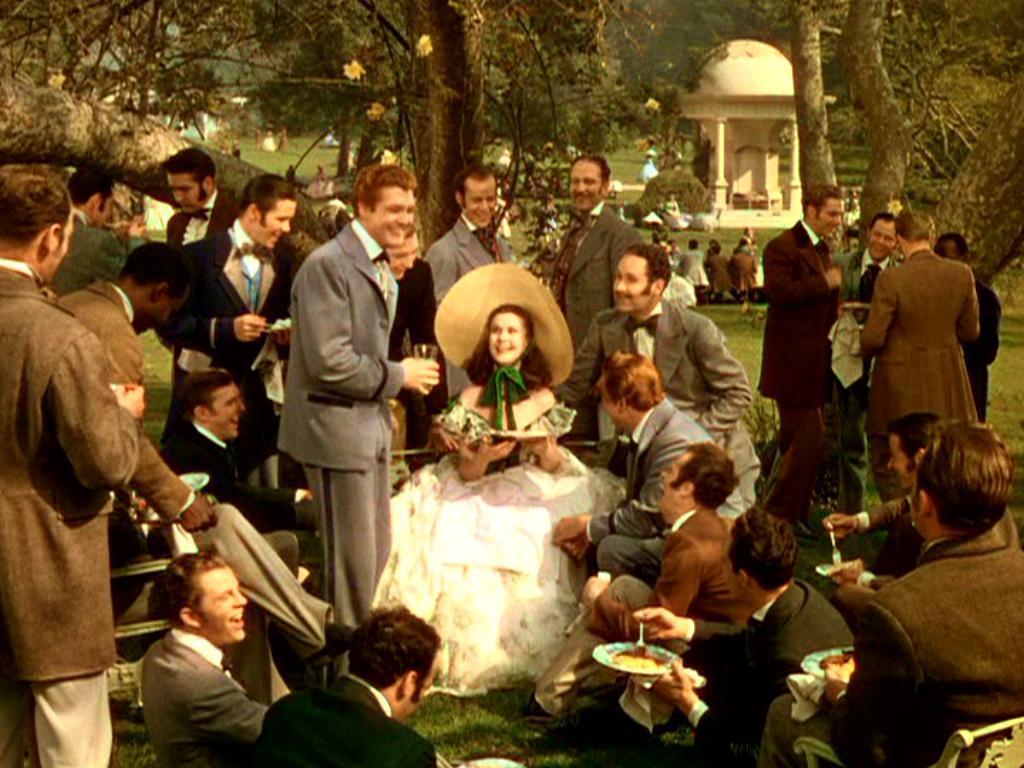
Oscar-nominated films set in the American South after GWTW include the following:
*Denotes winner of Best Picture
The Little Foxes (1941)
The Yearling (1946)
All the King’s Men (1949)*
A Streetcar Named Desire (1951)
Cat on a Hot Tin Roof (1958)
The Defiant Ones (1958)
To Kill a Mockingbird (1962)
In the Heat of the Night (1967)*
Midnight Cowboy (1969)* (included because of Jon Voight’s character Joe Buck)
The Last Picture Show (1971)
Deliverance (1972)
Sounder (1972)
Nashville (1975)
Norma Rae (1979)
Coal Miner’s Daughter (1980)
The Big Chill (1983)
Tender Mercies (1983)
A Soldier’s Story (1984)
Places in the Heart (1984)
The Color Purple (1985)
Mississippi Burning (1988)
Driving Miss Daisy (1989)*
JFK (1991)
The Prince of Tides (1991)
Forrest Gump (1994)*
The Green Mile (1999)
Ray (2004)
Capote (2005)
There Will Be Blood (2007)
The Curious Case of Benjamin Button (2008)
The Blind Side (2009)
Winter’s Bone (2010)
The Help (2011)
Beasts of the Southern Wild (2012)
Django Unchained (2012)
12 Years a Slave (2013)*
Dallas Buyers Club
Back in 1938, German director Kurt Neumann said that the South was “one of the best subjects Hollywood has ever had for sustained interest,” adding “we are just beginning to understand the South.” At the time, Hollywood was still making films focused on the Old South. While films with a southern setting continue to draw on regional stereotypes, not all of them do. And yet even in 2014, it seems fair to conclude that Hollywood is still “just beginning to understand the South.”
This winter Atlanta, (and the South more broadly), got skewered in the media when a snowfall of just two inches snarled traffic on the interstate highways that cut through the heart of the city, causing several hundred people to abandon their cars and walk home, in some cases, for several miles. Saturday Night Live‘s Weekend Update covered the news story in classic SNL style by having “Atlanta resident” and storm survivor “Buford Calloway” offer a firsthand account.
The character of Buford Calloway is one in a long line of southern gentleman and a central figure in the pop culture pantheon of southern icons who make up the plantation legend. The southern gentleman, in fact, has a history in popular culture that extends well into the antebellum period. One of the earliest descriptions of the southern gentleman can be found in John Pendleton Kennedy’s book Swallow Barn (1832), who appears in the character of Frank Meriwether, a 45 year-old Virginia planter. Kennedy introduces him this way:
“Good cheer and a good temper both tell well upon him. The first has given him a comfortable full figure, and the latter certain easy, contemplative habits, that incline him to be lazy and philosophical. He has the substantial planter look that belongs to a gentleman who lives on his estate, and is not much vexed with the crosses of life.”
The southern gentleman has long been seen as an insular man who doesn’t venture far beyond his homeland (the South) or, in the case of Frank Meriwether, his estate. He is well-read and attentive to his personal appearance, but he’s not really a man’s man. He’s a tad soft, because he owns the land and doesn’t work it. You can see hints of these character traits in SNL’s Buford Calloway. He clearly doesn’t venture beyond Georgia, or even Atlanta, and lumps South Carolina in with “the North.” And, he’s a well-groomed fellow who not only doesn’t appear to engage in manual labor, he likely gets manicures.
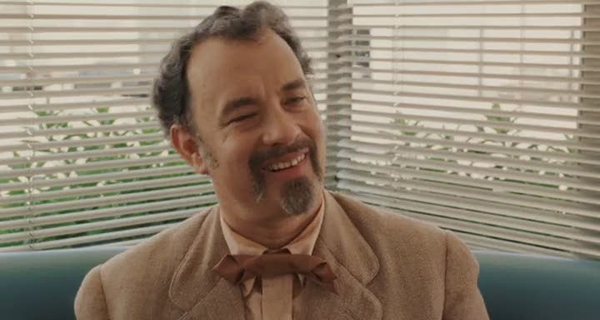
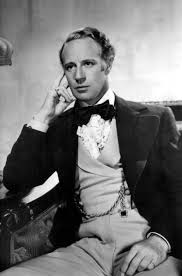
A century after Americans were introduced to Frank Meriwether, the southern gentleman of popular culture had changed very little. He made regular appearances in films of the 1930s. He was Duncan Bedford (played by Randolph Scott) in “So Red the Rose,” Herbert Cary (played by John Boles) in “The Littlest Rebel,” and Preston Dillard (played by Henry Fonda) in “Jezebel.” More than anyone, he was Ashley Wilkes who Leslie Howard brought to life in “Gone with the Wind.” (Sorry ladies, Rhett Butler was not a gentleman.) More recently, Tom Hanks offered his interpretation in 2004’s “The Ladykillers,” a Coen Brothers remake of the 1955 film set in London, as Professor Goldthwaite Higginson Dorr.
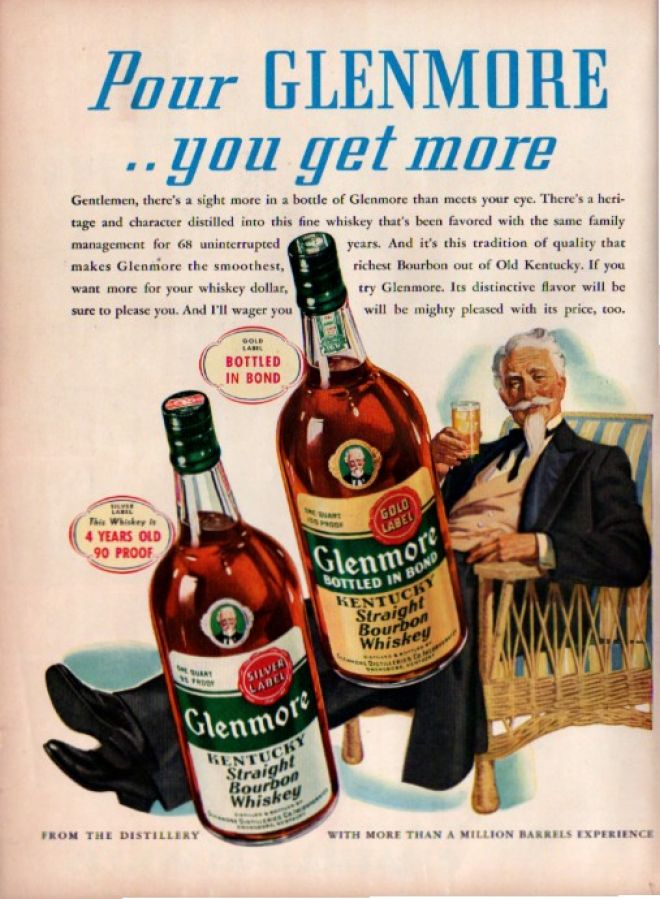
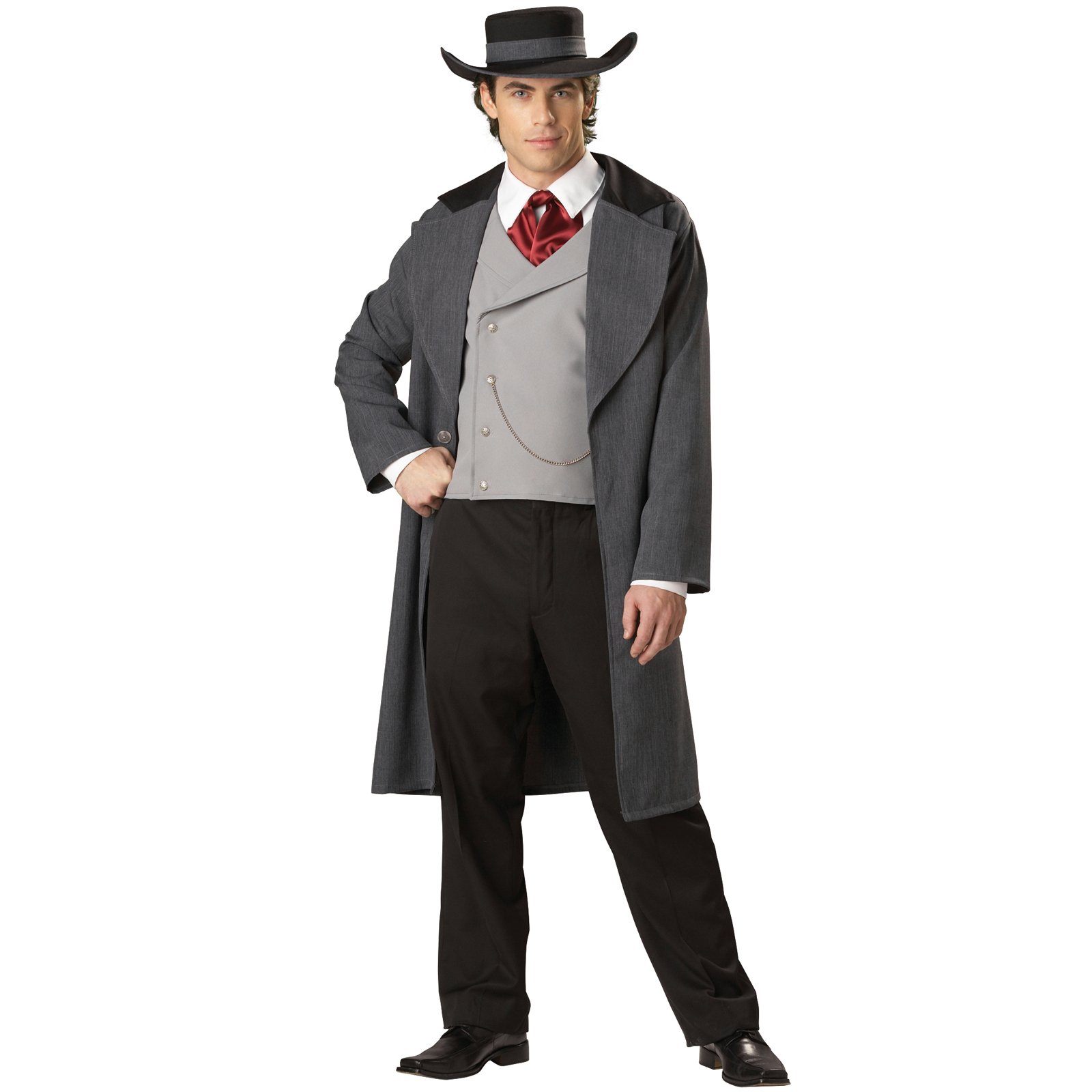
The southern gentleman has also been used as an advertising icon, most often for the sale of Kentucky bourbon, but also beer. There’s even a southern gentleman “costume” that can be purchased for special occasions.
What’s notable, of course, is that there’s nothing modern about the southern gentleman. At least not in popular culture. He’s still a character of the Old South. He has a mustache and goatee. He probably drinks bourbon. He may even dress like he’s still wedded to the land of his ancestors.
He’s Buford Calloway. The only difference is Buford’s modern suit of clothes.
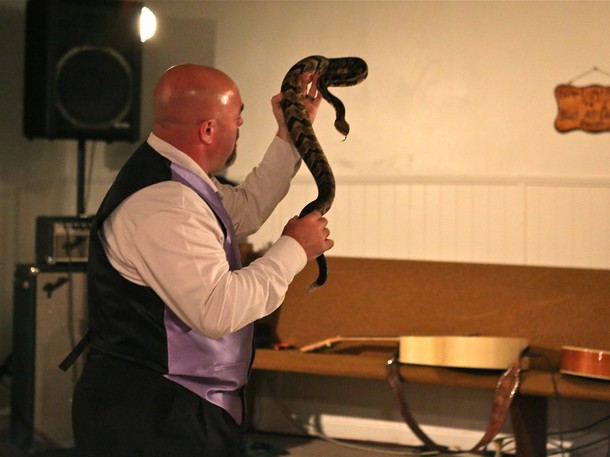
Just this past weekend the news came down from the hills of Kentucky that Jamie Coots, the pastor of a snake-handling church in Middleboro, had died after a bite from a timber rattler while ministering to his church. This is a scenario that has been repeated for generations in this small sect of Appalachian congregations, most of which exist in Alabama, Kentucky and Tennessee. Yet what sets Coots’ death apart from the others is that he was the star of a popular series on the National Geographic Channel called “Snake Salvation.”
I admit to having my doubts about what National Geographic was up to when I first heard about the show. I even wrote a blog in which I pondered about this being another retrograde reality show on the region. I worried about the fact that the pastor’s last name was “Coots,” because I’m sensitive to the fact that people might poke fun at what they saw as a “hillbilly named ‘Coots.'” I’m originally from Appalachia, so I know the cruelty that people bestow upon hill people.
So, I watched several episodes of “Snake Salvation.” With a cynical eye at first. But my cynicism gave way to sincere interest and even appreciation. Because what I saw was a show that took seriously the faith and conviction of Jamie Coots and his family and of his protegé Andrew Hamblin, the pastor of another snake-handling church in nearby LaFollette,Tennessee. The series, I believe, helps viewers better understand their religious beliefs, which are similar to Pentecostal sects throughout the South, save one difference–the emphasis on Mark 16:18 on taking up serpents. And unlike TLC’s “Here Comes Honey Boo Boo,” Coots and his family do not act like, nor have they been made to look like, buffoons.

Pastor Coots wanted the viewers of “Snake Salvation” to understand that, as people, they were more than about hunting and handling poisonous snakes. And while the show emphasizes that part of their faith, one also can surmise that these are people who love and care about one another and who have daily challenges beyond finding snakes for a church service. Theirs is a deep conviction, and while I personally do not hold their views about religion or snakes (or the role of women, for that matter), I can respect what makes us different. Unfortunately, not everyone does.
In the few days since his passing, people have cast harsh judgement on Pastor Coots, his family, and this sect in the most insensitive way imaginable. Read some of the comments on the NPR post about this story and you’ll see what I mean. They don’t bear repeating here.
National Geographic will air a tribute to Pastor Coots and I encourage you to watch it and consider what I’ve written here. And if you are so moved, read Dennis Covington’s book, Salvation on Sand Mountain: Snake Handling and Redemption in Southern Appalachia.
The story of this man’s death should not lead people to judgement, but to a better understanding and respect for differences in faith.
Writing posts for Pop South has been an enjoyable experience, and it’s also provided a means for connecting with the larger public about the ways in which the American South is represented in popular culture. This is especially important for folks like myself who work in academia, where our critics suggest that we exist in a bubble and are out of touch with the “real world.”
I, for one, have always wanted to burst that bubble and bridge the gap that exists between academia and the broader public. To put it plainly, I’ve long felt that I should be able to explain what I write about in terms that members of my family, who never went to college, can understand.
My work as a public historian–working for museums and writing exhibit text–helped me to bridge that gap. Today, my blog serves that purpose and not by “dumbing down” the intellectual considerations. A person doesn’t have to have a college degree to be smart, but I find that dispensing with the academic jargon that can separate “us” (the academics) from “them” (the general reader) is especially important in a blog whose purpose is to communicate about topics in a way that most people can understand and appreciate.
I’m happy to say that I am not alone here in the southern blogosphere, as equally like-minded folks are adding their unique take on the region and its culture. If scholars want to be relevant beyond the academy, and if southern studies wants the same, then we must take advantage of new forms of communication in order to reach the broadest possible audience.
I look forward to others joining the mix, because there’s plenty of room for new voices. For now, here’s an introduction to some southern blogs and bloggers whose writing I think you’ll enjoy:
Civil War Memory–So much of what is written about Civil War memory concerns the South and how memory of the war has shaped, and continues to shape, southern culture. In this long-running blog, historian and teacher Kevin Levin explores this topic with his readers by examining everything from new books, to popular media, to the never-ending divisiveness of the Confederate battle flag.
Cobbloviate–This is a blog hosted by James C. Cobb, Professor and Spalding Distinguished Research Professor and Spalding Distinguished Research Professor at the University of Georgia. Dr. Cobb offers his own special take on the South and southerners and generally with a healthy dose of humor.
Field Trip South is the official blog of the Southern Folklife Collection at the University of North Carolina. It is a feast for the eyes and the ears as the SFC shares the archival resources of its phenomenal collection of materials that explore “the emergence of old-time, country-western, hillbilly, bluegrass, blues, gospel, Cajun and zydeco musics.”
Interpreting Slave Life–Nicole Moore, public historian and consultant, hosts this blog on one of the South’s most prickly historical issues–slavery. She does so without sticking her head in the sand, addressing head-on the issue of slave interpretation at historic sites across the South.
New South Negress–Zandria Robinson’s blog offers a no-holds-barred approach to issues of region, race, and culture. Dr. Robinson is a professor of sociology at the University of Memphis who teaches courses in southern studies and who offers a fresh voice on southern black cultures. Her observations on southern hip-hop are a must read.
Off the Deaton Path–Stan Deaton, Senior Historian at the Georgia Historical Society in Savannah, is one of the newest to this genre of writing. You may know him from his Emmy-winning role as host of Today in Georgia History, but he’s recently added blogging to his repertoire. Dr. Deaton’s blog isn’t southern specific; still, his explorations into regional issues (especially as they relate to Georgia) are worth your time.
Red Clay Scholar–Regina Bradley has a Ph.D. in Literature from Florida State University and she writes about hip hop culture, race, and the U.S. South. She also has a great video interview series called Outkasted Conversations. You should definitely check it out!
Southern Foodways Alliance–The SFA blog has several contributing authors who offer readers everything from a good southern story to a delicious southern recipe. You’ll learn new twists on southern foodways and discover things about the region you didn’t even know existed.
Talk About the South–Dayne Sherman is a Louisiana native and an associate professor of library science who blogs about southern history, politics, folklore and religion with a particular focus on his home state. And he has the enviable Twitter handle @TweettheSouth.
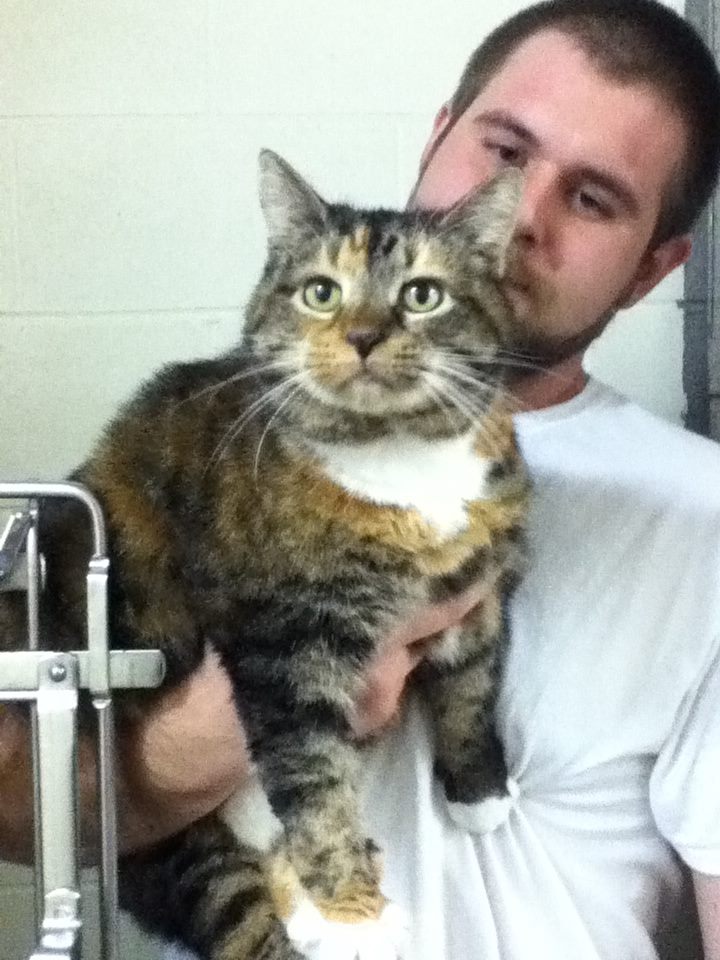
This past week, a dear friend of mine named Hilda Brody, passed away. She was a great animal lover and helped to found the Animal Protection Society of Caswell County, the county seat of which is Yanceyville, North Carolina. Throughout her life, she gave generously of herself–often taking in cats, dogs, and even horses–because she valued the lives of animals and knew the gift of love and loyalty that animals give us, as humans, in return.
The APS of Caswell County, like so many animal shelters across the South, struggles to stay afloat. In counties racked by rural poverty, local governments are less likely to support the efforts of organizations devoted to animals rather than human beings.That means that much of the work to maintain the shelter is left to volunteers or individuals who work for pennies on the dollar. Their budgets are often stretched thin and the need for both money and supplies is constant.
So many of us out there know the joy and love that our pets bring to us each and every day. So, why not honor them by assisting another dog, cat, or the other animals that shelters care for?
What can you do to help? Be a good neighbor and support your local animal shelter.
If you have some money to spare, consider making a donation to support the many things a shelter does (including spaying and neutering).
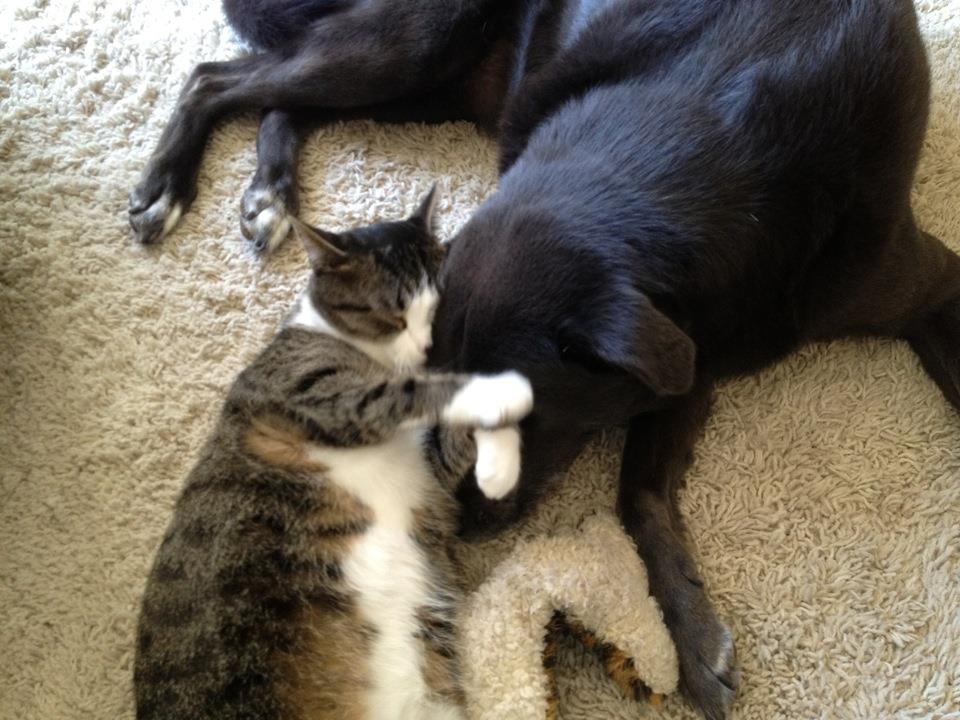
And if you don’t have much, consider donating old blankets, towels, newspapers, old placemats, gently used toys, leashes, collars, litter, or grooming items. Check here for Top Things to Donate to an animal shelter.
And when you are ready to offer an animal “forever home,” consider adopting from your local shelter. You’ll be glad you did.
On behalf of my shelter-adopted pets, we thank you.
When I first wrote about the South in reality television a few years ago, it seemed like a disturbing trend that would hopefully die a quick death. But no. Today, the reality shows that exploit the region have expanded from a trickle to a flood. And even within this genre of programming there are state “franchises,” so to speak, with Louisiana being the best example. Nearly every state in the region has served as a backdrop for a reality-based show, but not all. South Carolina? It’s your turn.

The state usually takes it on the chin for its conservative politics, or more pointedly, conservative politicians who draw the wrong kind of media attention. Think of former governor Mark Sanford’s tearful display of love for his mistress after he went “hiking on the Appalachian Trail.” Or of Joe “You Lie!” Wilson. Even the Democratic Party was put to shame when Alvin Green–an unemployed veteran indicted for showing pornographic pictures to a female student at USC–became the party’s candidate for Senate. And on it goes.
This spring, however, South Carolina is being showcased in two new reality shows, making this a total of three for the Palmetto State. It is already the site of TLC’s Myrtle Manor, a show that covers the hijinks of people who live in a trailer park in Myrtle Beach. But, I digress. The new shows include CMT’s “Party Down South,” filmed in Murrells Inlet (near Myrtle Beach), and Bravo’s “Southern Charm,” featuring a group of poorly-behaved Charleston socialites, a show locals have condemned to no avail. Hint: there’s nothing charming about this bunch.

“Southern Charm” will be out in a couple of months, but “Party Down South” (PDS) has already cranked up. The show is produced by SallyAnn Salsano, who is the “mastermind” behind MTV’s “Jersey Shore,” and it does what MTV’s “Buckwild” couldn’t manage to do, which was to create a southern equivalent with characters like Snooki and the Situation.
The gist of the show is that the cast (most of whom hail from Deep South states like Louisiana, Mississippi, and Alabama) is staying at a rented house near the beach, where they share bedrooms, go to bars nearly every night, get drunk (a lot), fight (this goes with drinking), have sex, eat meals together “like a family,” have a “job” by the marina, and show their collective asses. Sound familiar?
So what is southern about the show? Essentially, the setting, the accents, colloquialisms (“pop a squat,” “cooter,” and “coon ass”) and some good ol’ redneck fun, which usually involves trucks and mud.
CMT has become the primary network for redneck television and “Party Down South” is one in a long line of shows that hit the same tired notes of southern-based reality television. The formula involves working-class southerners, in this case young ones, as imbeciles willing to do anything for a little cash and attention. Being on the show is likely going to be the biggest thing to ever happen to them, and producers know it. No doubt there were several hundred “hopefuls” who wanted to be on the show.
The thing is, I knew people like this in high school. Girls that drank too much and got into fights. Guys that would do anything for a laugh. Many of my classmates may have found them amusing in the moment, but they also felt embarrassed for them. The difference today is that the cast of PDS may never be able to escape their immature past, because it is forever preserved on film and has been shared with millions.

CMT and SallyAnn Salsano are the real winners here, as the network may boost its youth demographic and Salsano her financial portfolio. The losers, of course, are South Carolina and this cast.
Bravo promises a different group of southerners in its series “Southern Charm,” but don’t expect much different from what’s on over at CMT.
You can put lipstick on a pig, but it’s still a pig.
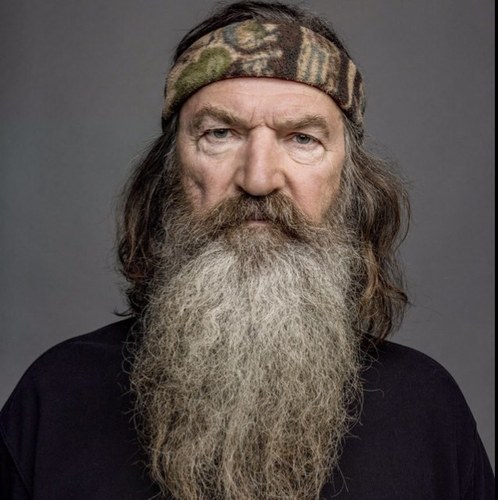
Duck Dynasty, the enormously popular reality television program produced by A&E, is under fire thanks to some eye-opening statements made by Phil Robertson, the family patriarch, in an interview with GQ magazine. That’s Gentleman’s Quarterly, in case you were wondering. And, the comments weren’t so, shall we say, gentlemanly.
Essentially, Daddy Duck equated homosexuality with being one train stop short of bestiality. And, he seems to believe that “the blacks” who worked for white farmers in his home state of Louisiana were “happy,” going so far as to say “I’m with the blacks, because we’re white trash. We’re going across the field…. They’re singing and happy. I never heard one of them, one black person, say, ‘I tell you what: These doggone white people’—not a word!” (from “The Gospel According to Phil,” GQ Blog, December 18, 2013). Since Robertson quacked the truth, he’s been suspended indefinitely from the show.
No one should be surprised by this and it was just a matter of time before we were going to hear it, if not from Phil, then perhaps one of his sons. We can expect religious conservatives to make negative comments about gays. We can also expect a white southerner of Phil’s generation to refer to African Americans as “the blacks,” as though they are a separate species. In that regard, he has something in common with Paula Deen.
Yet the focus has been on his statements about homosexuality. Gay advocacy groups like The Gay & Lesbian Alliance Against Defamation (GLAAD) have been been quick to call Robertson out for what it says are “anti-Christian” views. That’s red meat for conservatives, who have jumped to his defense saying that liberals are “hysterical” (Rush Limbaugh), or “intolerants” (Sarah Palin), and that Phil was just expressing his First Amendment Rights (Louisiana Governor Bobby Jindal).
No one seems to have taken much issue with A&E who has crafted a statement distancing itself from Robertson’s remarks. Yet producers knew. Robertson was quoted in the GQ article as saying “we’re bible thumpers who just happened to end up on television.” The network understood this going into its contract (and re-negotiations) with the beards. And anyone paying attention knows that the more popular Duck Dynasty has become, the more free the family has been about sharing its conservative values and, in Phil’s case, strict interpretation of the bible.
For what it’s worth, I believe that Phil Robertson has a right to his opinions and his beliefs. The problem, of course, is that he’s on an enormously popular television show with millions of viewers over whom he has tremendous influence. And while he has since given a statement “I would never treat anyone with disrespect just because they are different from me,” what he fails to realize is that there are people who are fans of the show who would disrespect others. Or worse. And therein lies the problem.
Perhaps the profits for A&E have outweighed the risks. The network has certainly been down this path before with Dog the Bounty Hunter. Remember him? People may have forgotten that Dog was recorded using the “n-word” and not too long after, A&E cancelled the show. It may come to this, much to the chagrin of Duck Dynasty fans, but for now it will be played out as a culture war cast by conservatives as a battle royale between “defenders of free speech” and the “Gay Mafia.”
Let’s all grab some popcorn.
Note: This blog post first appeared on the UNC Press Blog on March 21, 2011. I post it here in honor of Loretta Lynn who received the Presidential Medal of Freedom this past week.
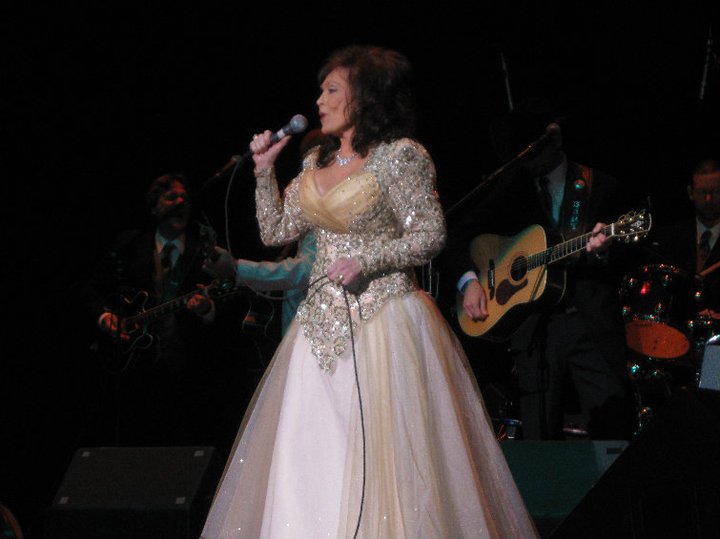
Whenever I visit the Thirsty Beaver, a local honky tonk in my neighborhood in Charlotte, I always find something new on the wall that catches my attention—a velvet Hank Jr. picture here, a child-size set of overalls done in Hee Haw fabric there. This time, it was a metal serving tray on which there was an image of Loretta Lynn. Someone heard me comment on it and offered that Ms. Lynn’s tour would be coming to town. I was so excited by that news that on the day the tickets went on sale, I beat a path to the ticket counter and had seats on the third row with a great view of the Queen of Country Music.
She sounded terrific as she sang hit after hit, and as I looked around the audience I noted that while there was strong representation from the senior set, there were also people who ran the gamut in age from teens through middle age. My mother saw her in concert with Conway Twitty years ago, and here I was, a generation later, thrilled to hear her perform. Loretta Lynn has experienced something of a renaissance. Her work with Jack White, who produced her Grammy award-winning album Van Lear Rose (2004), as well as 2010’s tribute album marking her fifty years in country music, has garnered new fans for Lynn. Having her songs covered by artists ranging from young country music’s Carrie Underwood to rockers Paramore is indicative of Lynn’s broad appeal.
I also realized as I sat there enjoying her music and singing along with favorites like “Fist City” and “You’re Lookin’ at Country,” that I was bearing witness to a woman who serves as a link to country music’s past and its future. Her first singing partner was Ernest Tubb, an icon of early country music, and her most recent partner was Miranda Lambert who, along with Sheryl Crow, re-recorded “Coal Miner’s Daughter.”
Loretta Lynn should also be understood as an important figure in women’s history. Since she emerged on the country music scene in the early 1960s, she’s been unafraid of speaking on issues that affect women, though hers is more of a working-class feminism. Her song “The Pill,” controversial for a country music artist, spoke of reproductive choice and being able to decide (through birth control pills) when to be pregnant. “One’s On the Way” about those stream of pregnancies, also showed Lynn’s keen observation about how different the lives of women “here in Topeka,” (or any other small town for that matter) were from the feminists about whom we often read, write, and teach as these lyrics demonstrate:
The girls in New York City they all march for women’s lib
And Better Homes and Gardens shows the modern way to live
And the pill may change the world tomorrow but meanwhile today
Here in Topeka the flies are a buzzin’
The dog is a barkin’ and the floor needs a scrubbin’
One needs a spankin’ and one needs a huggin’ Lord one’s on the way
As we mark Loretta Lynn’s 50th anniversary in country music, I think it’s important to recognize her not only for her contributions to country music, but also for her role in women’s history as a troubadour for working-class women everywhere.
 Pop South