Nightmares about Dixie: Monsters in America…and in the American South

In honor of Halloween, I invited fellow historian Scott Poole, who teaches at the College of Charleston, to guest blog about southern horror.  In this post, we learn about pop culture’s representations of the South as a peculiar site of horror, from Deliverance to True Blood and eerie things in between.  What does a horrific South say about southern identity?  Read what Scott has to say. 

Scholars of the American South spend a great deal of time reflecting on the nature of southern distinctiveness.  An earlier generation of historians of the region labored under what C. Vann Woodward famously labeled “the burden of southern history.” A fun, if frequently reductionist, version of this scholarship turns everything from barbeque to moon pies to stock car racing into attributes of ethnicity, claims for a peculiar and allegedly charming southern essentialism.

Over the last two decades, the scholarship has, luckily, become much more complex. Southern historians take seriously the role of imagined difference and how representations of the South often reflect historical misunderstandings. Scholars have shown how frequently the region has functioned for the rest of the country as a metonym of the exotic. To quote the blogmeister herself, we understand just how much time Americans have spent “dreaming of Dixie.”

I’d like for us to ponder the macabre side of this story. Let’s think about America’s nightmares about Dixie.

Horror has always played a role in representations of the South. Abolitionist leaders rightfully described the barbaric treatment of human beings under slavery in their broadsides against the peculiar institution. They often did this by evoking the most lurid aspects of plantation life in order to, in the words of Boston abolitionist Theodore Weld, “thrill the land with horror.”

In the 20th century, racial segregation, uneven and makeshift economic development and the sometimes adversarial relationship of southern traditionalists with modernity helped create new monster traditions.  In pop and folk culture, “the hillbilly” and “the redneck” became images of horror. The gothic south of decaying ancestral lineages and the lurid south of tobacco roads meet somewhere along these borders of the monstrous and the terrifying.
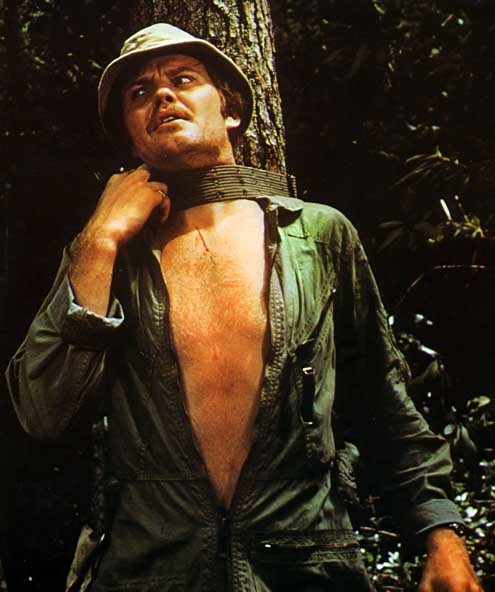
Jon Voight in "Deliverance" (1972)

In American films from the 1970s forward, this the portrayal of the South as the trackless region of horrors, the place off the highway where civilization meets savagery, became common. This view of the South has two dark fathers, Texas Chainsaw Massacre and Deliverance.

These are both important aesthetic documents with more to say than simply “beware the hicks.” Indeed, both are deeply subversive documents. Hooper’s TCM launches a full-frontal assault on any romanticisms of the American past, turning the frontier cabin into, literally, a slaughterhouse where counter-cultural teens must face the horrific violence of the past. This is the horrific South as horrific America, Daniel Boone come back as cannibal, the true and secret history of American violence that southern violence both reflects and symbolizes.

Deliverance calls into question the relationship between modernity and traditionalism in the South while also critiquing various kinds of southern notions of masculinity. Burt Reynolds, for example, exhibits an interesting variant of southern gender identity, the suburban “hell of a fella” (to borrow and rephrase the W.J. Cash template). He’s the original NASCAR dad but one with more authenticity than camo can provide.

And yet he becomes for our unlucky wilderness travelers a guide into hell. He preaches a gospel of deliverance in the wilderness and finds instead an Appalachia facing encroaching modernity with one last rebel yell.  Deliverance ironically becomes a new version of the Puritan captivity narrative, “the errand into the wilderness” gone horribly wrong.

HBO’s True Blood has borrowed certain aspects of this tradition of backwoods grotesquerie. For many of us, a favorite part of the show is the opening montage of deep-fried southern religion in black and white mingled with images of southern sexuality that include stereotyped representations of the proletarian south. It’s a set of images that writers as diverse as Faulkner, Erskine Caldwell, Harry Crews and Ron Rash would recognize and could have narrated. It’s a south that wants to do bad things with you—and to you.
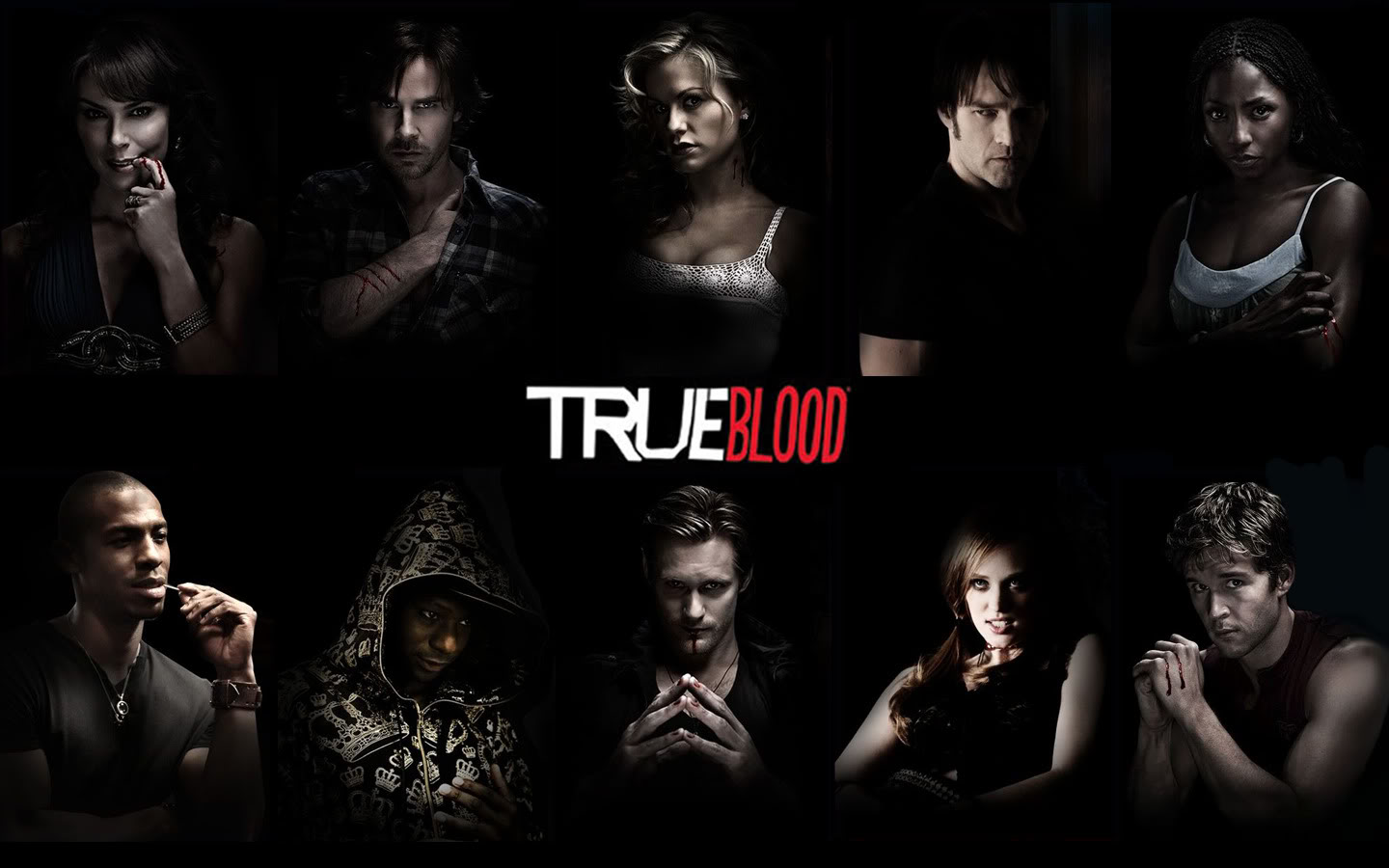
I praise Alan Ball and True Blood pretty highly in Monsters in America. Despite what some see as its egregious use of camp and schlock, I see the show as an important moment in the American monster mythos. Locating the vampire mythos in the heart of the South Americanizes the vampire mythology, indeed bundles it up with the rich and textured regional mythologies about identity and gender.

Its also important to remember that the AMC series The Walking Dead features the zombie apocalypse played out on a ruined southern landscape. Anything especially southern about those zombies? Not really. But Rick Grimes is every inch the post-civil rights image of the southern sheriff, a combination of toughness and western-film influenced masculinity.

It’s also a show that has established itself as a southern apocalyptic landscape by introducing race and racism as a continuing facet of post-zombie southern experience. In what we have seen of the second season, the religious aesthetic of the South has even made an appearance, an idea I’d love to see the show explore more thoroughly (and with a bit more research…Southern Baptist churches usually don’t have a gigantic crucifix like you might find in a Catholic parish).

These pop culture representations of southern horror raise lots of questions about southern identity, southern representation and southern terror. I hope that southern scholars will investigate the haunted and the monstrous south more thoroughly in their work on popular culture and folk belief.

W. Scott Poole is the author of Monsters in America: Our Historical Obsession with the Hideous and the Haunting (Baylor University Press, 2011)Follow Scott as he haunts America on Twitter @monstersamerica.
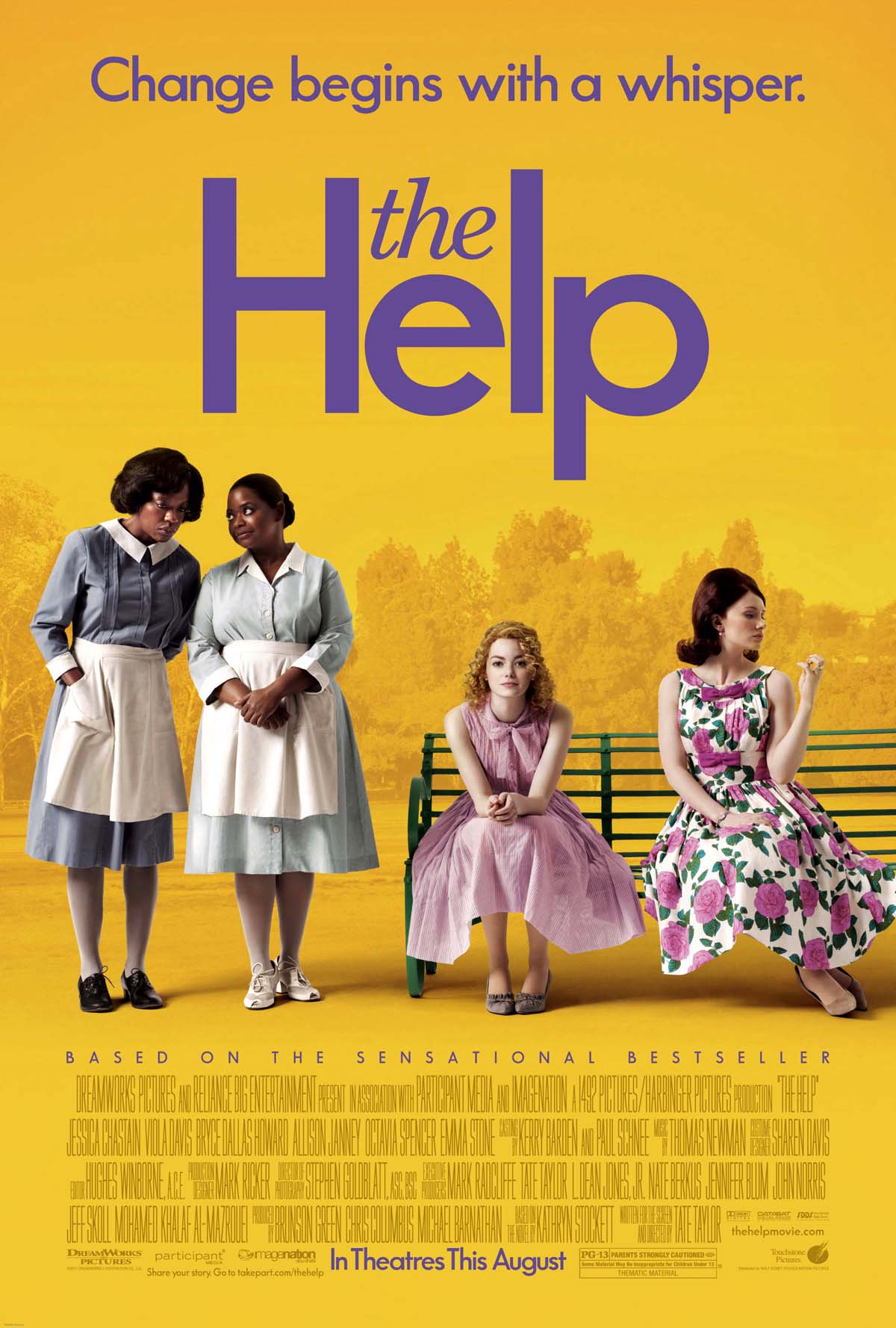
Historians on ‘The Help’: Vanessa May and Rebecca Sharpless Respond

Historians on ‘The Help’: Vanessa May and Rebecca Sharpless Respond.

So many people ask me questions about The Help (both the book and the film version), that I thought it would be better to let some historians, whose research can shed light on the subject, offer you a little context. Click on the link above.  Editor, Pop South

You Don’t Know Dixie—And If You Do, You Should Be Paying Attention to Pop Culture

Recently, The History Channel (THC) televised an hour-long special entitled You Don’t Know Dixie. Most historians haven’t come to expect much history from THC—a channel that is better known for airing shows like Ice Road Truckers and Swamp People.  Since I am interested in popular representations of the American South, I tuned in and what I observed didn’t change my mind about how the South and southerners continue to be represented as stereotypes.

On the one hand, message boards and even a Facebook page for the show suggest that it has a solid fan base—at least among southern whites.  For most of them, You Don’t Know Dixie doesn’t trade in negative stereotypes about the region and that’s reason enough to like the show.  This is understandable given how the popular media can often showcases the region as a backwater.

The late Barney Barnwell--fiddler, moonshiner, hillbilly

And yet, there were stereotypes and much that was problematic about the program.  You Don’t Know Dixie is heavy on trivia and relies on “well-known southerners” like Ty Pennington, Trace Adkins, and Jeff Foxworthy to tell us “hidden truths” about the region, with a couple of academics thrown in to make it legitimate.  Well, them and Barney Barnwell, a fiddler and hillbilly moonshiner whose speech required subtitles.

Employing the term “Dixie,” rather than “South,” and borrowing from the Confederate battle flag to illustrate the “X” in the show’s title is an indication of its focus.  The overarching message is that southerners (read: white) persevere in the face of outside challenges.  Southern women don’t make the cut, and African Americans cook well or sing the blues. While not a reality show per se, it has the same quality, and the message of the program is reduced to a Hank Williams, Jr. song—a country boy can survive.

It’s no surprise that historians hated it, which they made clear in a discussion on H-South.  And yet, the show will pass for “good” information about the region and THC may even purchase more episodes from North South Productions, the company that developed the program.  So what’s a southern historian to do except complain?  We could begin by doing a better job of engaging the general public with our scholarship.  And I would argue that we should engage in a serious discussion about popular culture rather than ignoring it as too low brow to warrant our attention.

Ben Bernanke–South of the Border

Pedro
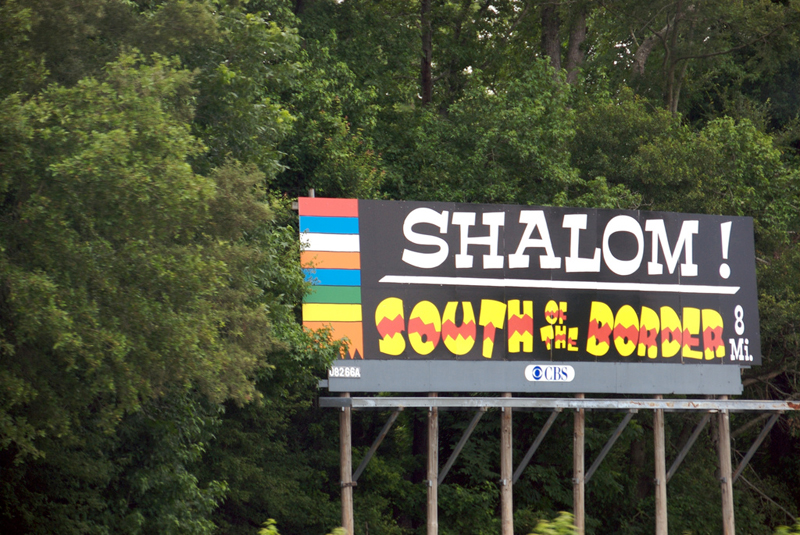
If you’ve ever traveled on I-95 and made it to Dillon, South Carolina, then you most certainly have noticed (and how could you not?) South of the Border and its steady stream of neon painted billboards with “Pedro,” the sombrero wearing icon, trying to draw you in to the roadside attraction to eat a hot tamale or take your kids to “Pedroland.”

South of the Border, owned and operated for years by Alan Schafer, began as the South of the Border Beer Depot.  According to Nicole King, a professor at the University of Maryland-Baltimore County who has written about the creation of what is known as “S.O.B.”, Alan and his father Samuel had a successful beer distribution company and because they were Jews, could avoid the cultural stigma associated with beer sales that Baptists and other religious conservatives could not. Over the years, especially after the passage of the Interstate Highway Act of 1956, South of the Border grew from beer depot into a souvenir shop to catch the traffic now going up and down I-95.(See King’s article “Behind the Sombrero: Identity and Power at South of the Border, 1949-2001,” in Dixie Emporium: Tourism, Foodways, and Consumerism in the American South, edited by Anthony Stanonis).

Chairman Ben Bernanke

What you might not know and what I learned recently through a fellow historian and Facebook friend is that our current Federal Reserve chairman, Ben Bernanke, worked as a waiter one summer at South of the Border.  This must certainly be a feather in his sombrero and should have brought him more respect from Republican presidential candidate Rick Perry, who accused his fellow southerner of “treason.”  That’s right.  Fellow southerner.  Bernanke didn’t just work at S.O.B., he is originally from Dillon, South Carolina.  Take that, Senor Perry.

Alan Schafer

South of the Border is complex, just as complex as Alan Schafer, who died in 2001.  As King explains, the roadside attraction “memorializes the African American experience by selling ‘authentic souvenirs’ from Africa in a Mexican-themed tourist spot created by a progressive Jewish man in the predominantly Anglo, conservative, and Protestant American South.”  And that’s just for starters.

All this is to say S.O.B. is a fascinating place.  And it just became more fascinating to me, now that I know that Ben Bernanke, the man who can make economic markets go up or down whenever he speaks, once worked under the big sombrero.

Billy the Exterminator in Arizona?

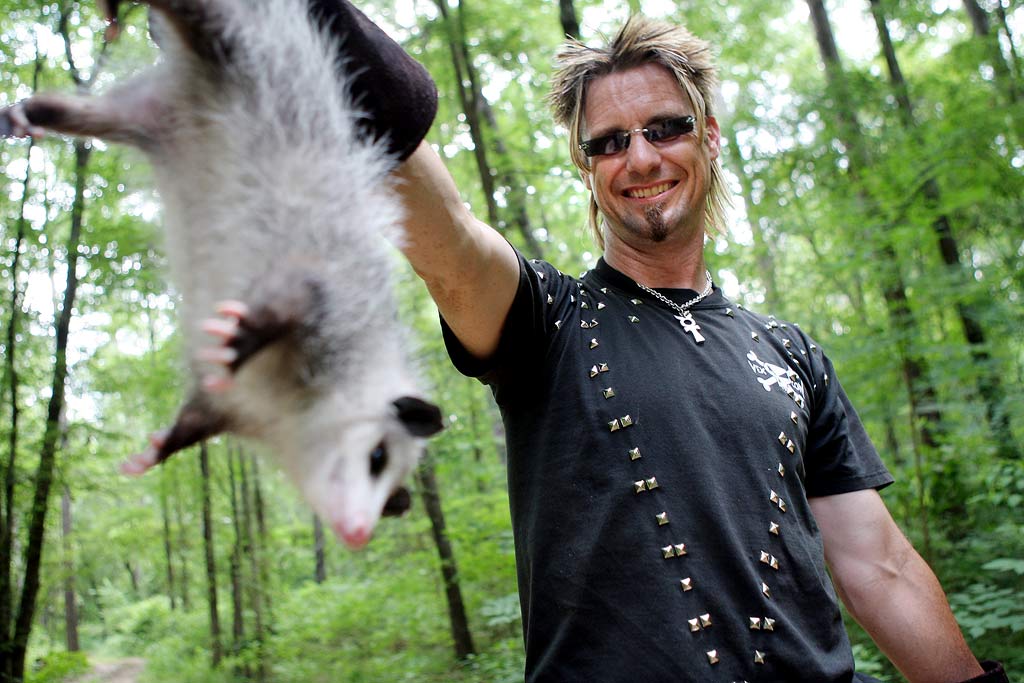
Billy the Exterminator

I watch a lot of reality television and am always on the lookout for new southern-based reality shows, but one I liked almost right away was Billy the Exterminator.  The show, which is set in Louisiana, follows Billy and his brother Ricky (with help from his parents Donnie and Bill, Sr.) whose company Vexcon is set up to help people get rid of snakes, wasps, cockroaches, and raccoons, among other critters that have invaded their homes.  Billy, the show’s star, does his work while wearing all black (in the Louisiana heat and humidity) spiked wristbands, very often a hat, and his trademark thin sunglasses.  He’s a bit wild man, and a bit rock ‘n’ roll.

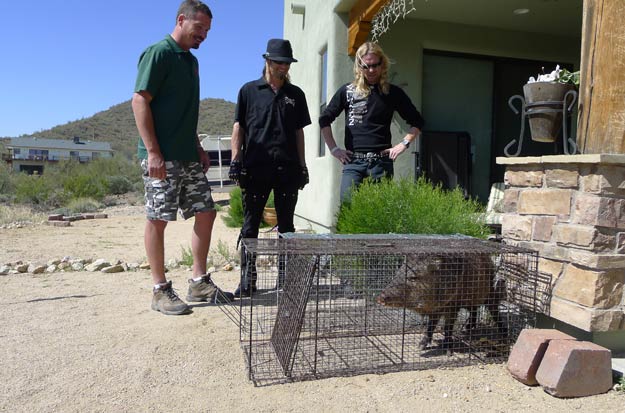
Billy and Ricky in Arizona with captured Javelina

This season the producers have taken Billy on the road to assist people in catching vermin in other states–Texas, Florida, and even Arizona, but I’m not so sure that Billy the Exterminator on the road is such a good idea.  Some people might like to see him try his hand at catching a Javelina (which looks like a miniature wild boar) in the Arizona desert, but something about that episode didn’t resonate with me. While Billy is certainly the star of the show, in some ways so is the State of Louisiana.  Louisiana is like another of the show’s characters.  Having Billy and Ricky work in the desert may have seemed like a good idea to the producers, but he looks out of place and the show’s chemistry seems off.

I don’t think the producers should mess with what is clearly a successful formula. They might be able to take Billy out of Louisiana, but you can’t take Louisiana out of the show.  That’s just not right.

Southern Festival of Books 2011

I am pleased to say that I will be one of the authors represented at the Southern Festival of Books in Nashville, Tennessee, this coming October.  I’ll be sure to post the details as soon as I can. I’ll be talking about and signing copies of my new book from UNC Press, Dreaming of Dixie: How the South Was Created in American Popular Culture.
The Southern Festival of Books

Confederate Tchotkes and the American Dream

On a recent vacation to Lake Lure, North Carolina, I drove over to the small town of Chimney Rock where people can hike to Hickory Nut Falls, grab a bite to eat, do a little gem mining, and perhaps stop in a souvenir shop to buy mementos of their trip.  I didn’t necessarily want a souvenir, but given the heat and humidity it made sense to duck into a few of the shops to cool off and to see what was for sale.

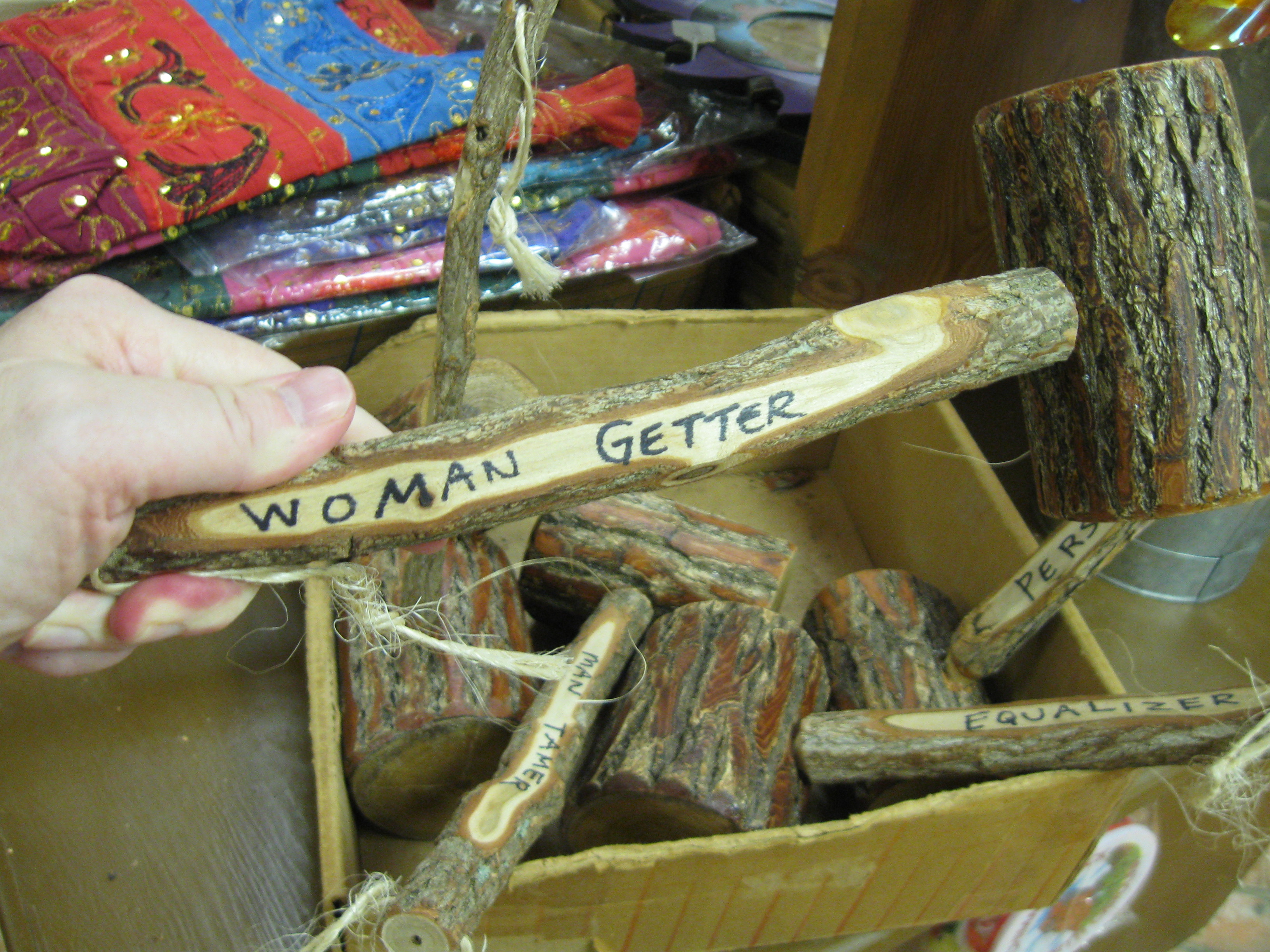
The "Woman Getter" a.k.a. the "Persuader," a.k.a. the "Man Tamer"

And boy was I in for a treat.  In addition to some of the ridiculous hillbilly items being sold (note photo of the “Woman Getter” a.k.a. the “Persuader,” a.k.a. the “Man Tamer”), Confederate tchotkes were everywhere and not just in one store.

This, of course, is surprising since the mountain South is not known for loyal Confederates.  Tourists who follow the signs along North Carolina’s Civil War Discovery Trail near Hickory Nut Gorge learn not about staunch Confederates, but about Union General George Stoneman’s raiders and his order to Colonel William Palmer to join in the pursuit to capture Confederate President Jefferson Davis, whose flight from Richmond had entered North Carolina in late April 1865.

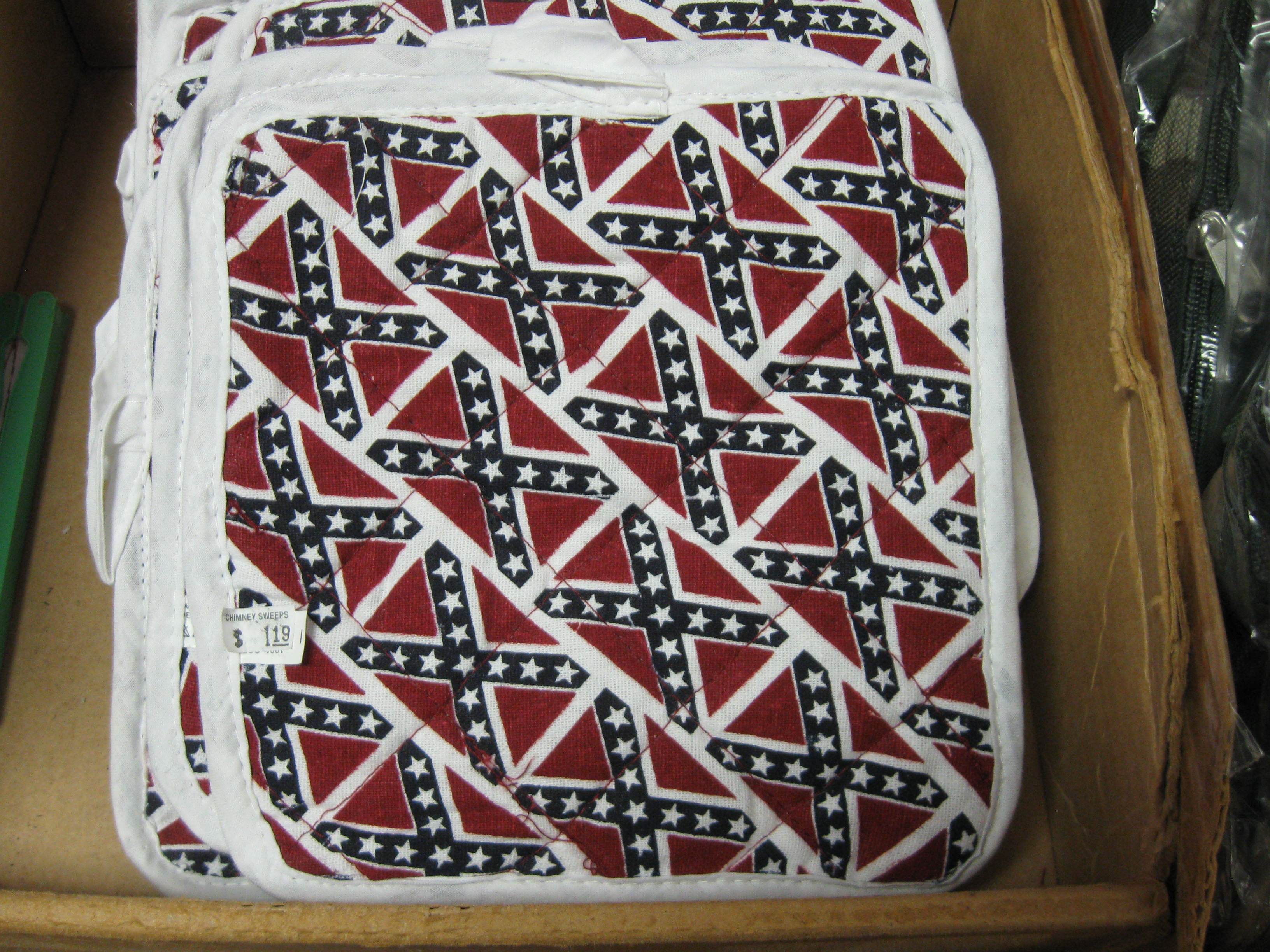
Rebel Potholders

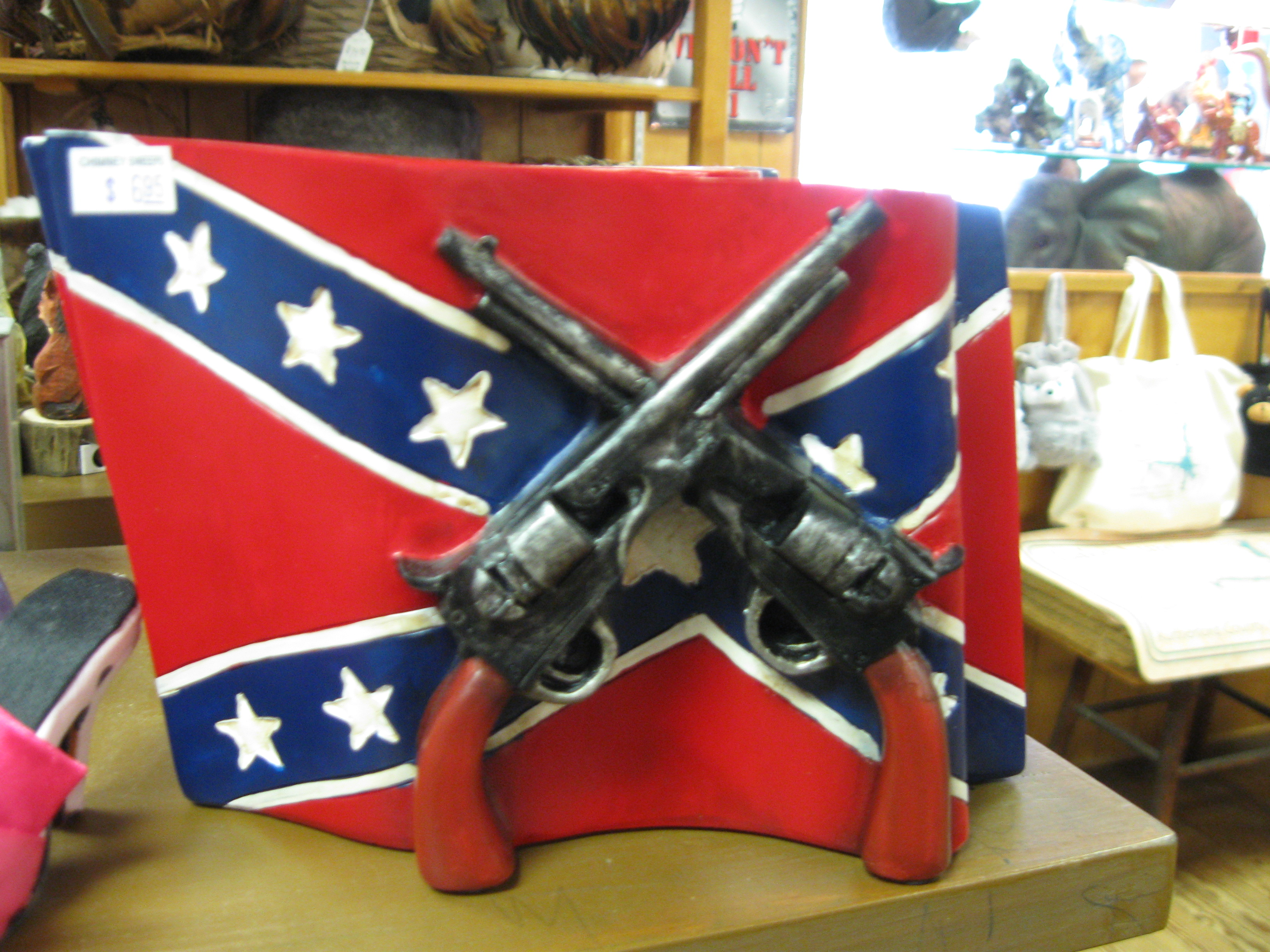
Well, in the same store that carried the “Woman Getter” there were items emblazoned with the Confederate battle flag ranging from a pot holder, useful for Rebel-hot recipes from the Confederate Cookbook, to bookends with three-dimensional pistols attached to protect your copies of Southern By the Grace of God or When the South was Southern.

Battlin' Bookends

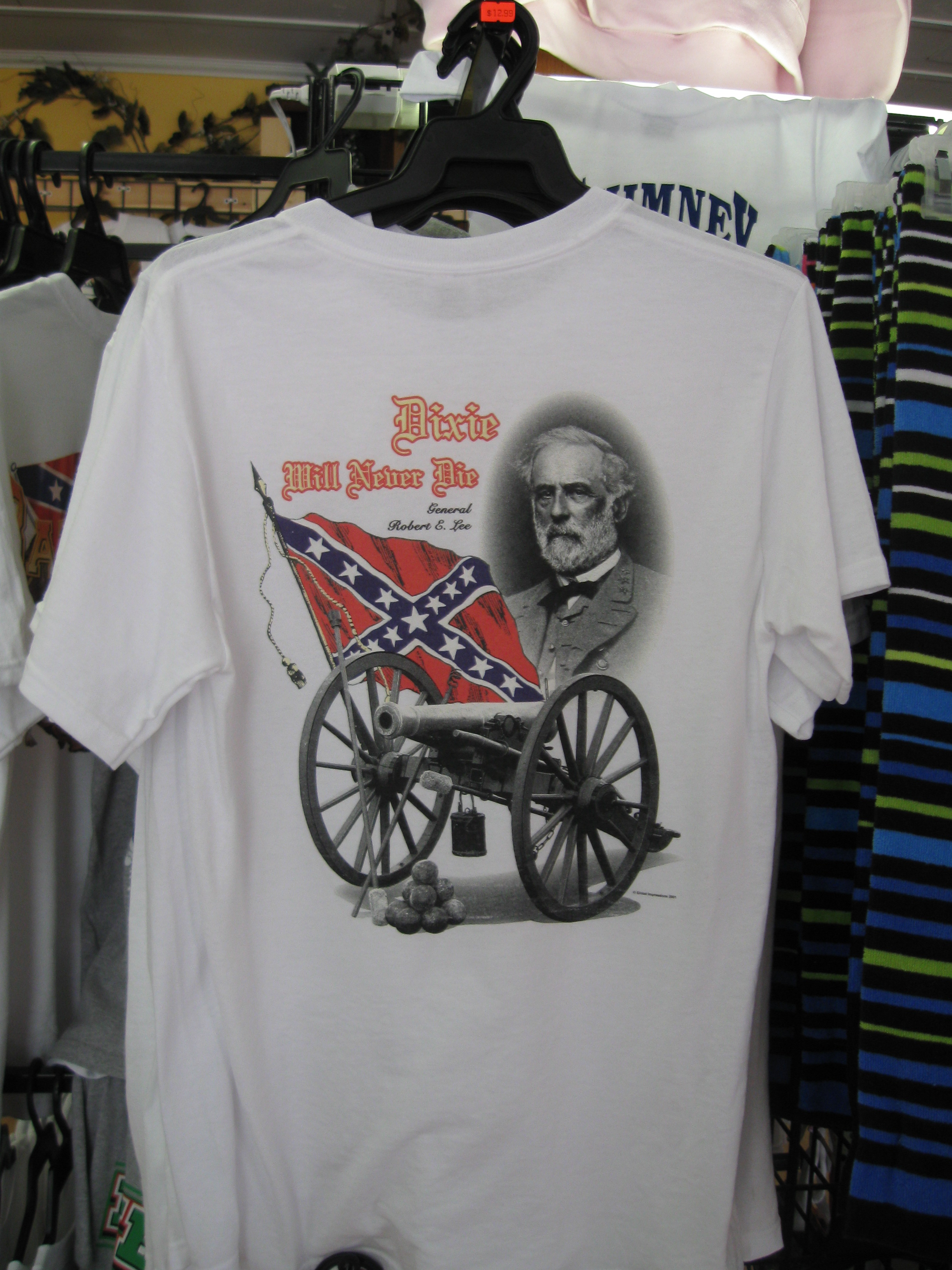
In a second store where I sought a reprieve from the heat there was an enormous selection of t-shirts from Dixie Outfitters—a merchandiser that offers a wide array of items displaying messages of “pride in the Southern way of life.”  Perhaps you’ve seen them.  Using images of Confederate soldiers, Robert E. Lee, and yes, the Confederate battle flag, the shirts practically scream that the Civil War is still alive and well in the hearts and minds of some southerners (those who would buy these shirts).

"Dixie Will Never Die"

On one, with an image of Lee, the slogan reads “Dixie Will Never Die,” and another for the “Southern Girl” tells you that among her many qualities are “Boot Scootin’,” “Handgun Packin’,” “Pickup Drivin’,” and “Bass Fishin’.” Of course, she wouldn’t be complete without also being a “Belle of the Ball.”

While I’m a historian, I must be part sociologist.   The historian in me understood that the history of this area of North Carolina ran counter to the sale of such pro-Confederate souvenirs.  Yet the sociologist in me could not help but notice that this store was owned by two immigrants, living the American Dream.  The couple, a Hispanic man and his wife, who I guessed to be from Eastern Europe, were the proprietors of the store.  When I asked her why they were selling all of these pro-Southern t-shirts she responded vehemently “I am from southern!”  She couldn’t have known I asked out of curiosity and perhaps thought I was challenging her in some way.  Thinking on it, I wondered if she indeed had been challenged about it before. Maybe by some of those present-day Confederate sympathizers (a.k.a. “Neo-Confederates) who, let’s face it, are very likely to be anti-immigrant in their thinking.

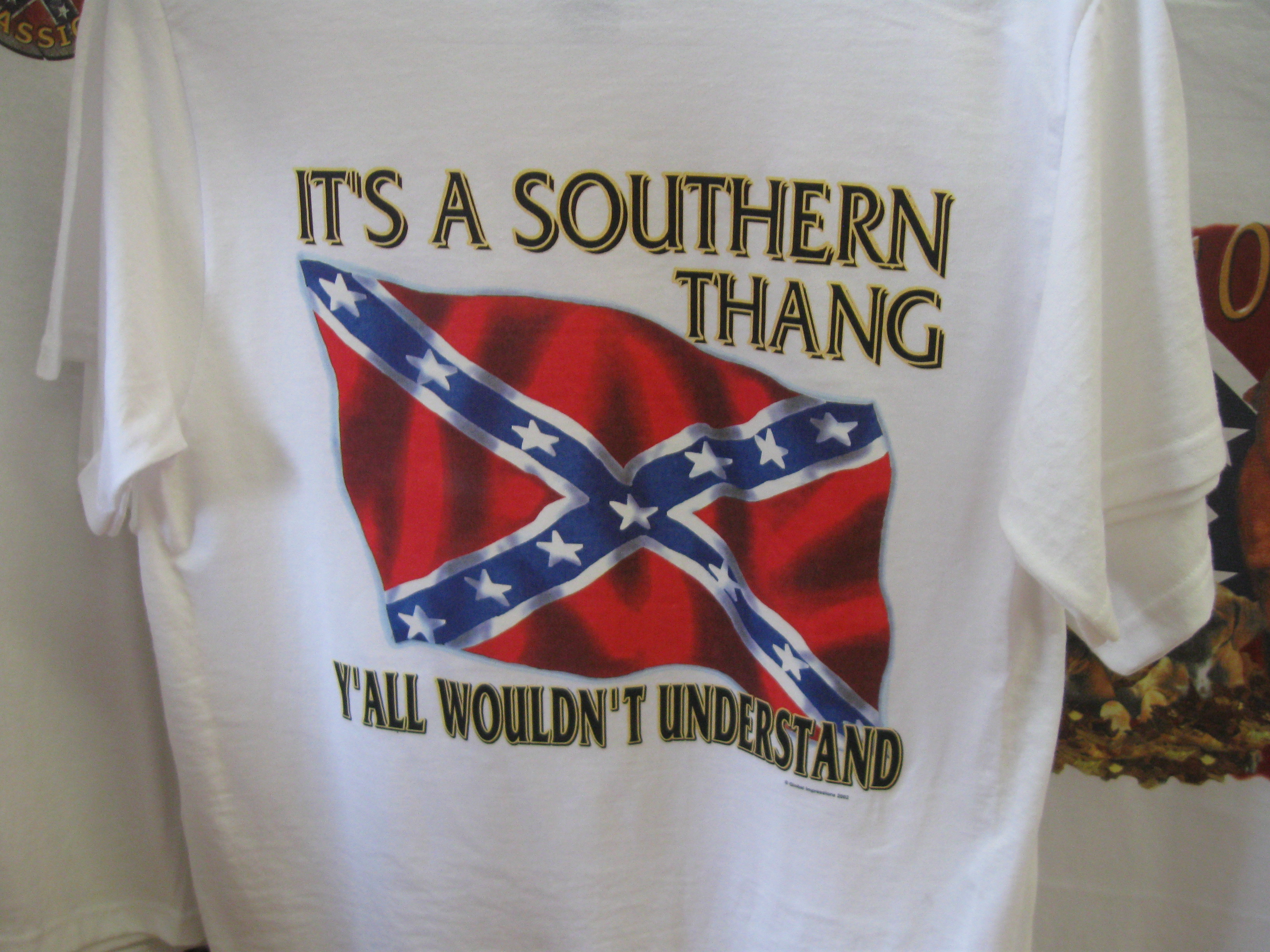
A "Southern Thang?"

I wanted to write this piece in an effort to unravel the complexities of what I was experiencing there in the little town of Chimney Rock:  the Confederate souvenirs in what, historically, was not so Confederate.  The immigrants selling shirts emblazoned with “It’s a Southern Thang, Ya’ll Wouldn’t Understand,” a slogan that is clearly a ripoff of “It’s a Black Thing, You Wouldn’t Understand.”  So, I turned to Winston Churchill.  Yes, Churchill.

Speaking about Russia during World War II, Winston Churchill said:  “I cannot forecast to you the action of Russia. It is a riddle, wrapped in a mystery, inside an enigma; but perhaps there is a key. That key is Russian national interest.”  I felt very similarly about my experience—that what is going on in Chimney Rock and in similar tourist attractions around the South is a riddle, wrapped in a mystery, inside an enigma, but perhaps there is a key.  That key is capitalism.

Taragate–A Gone with the Wind Scandal? Not exactly.

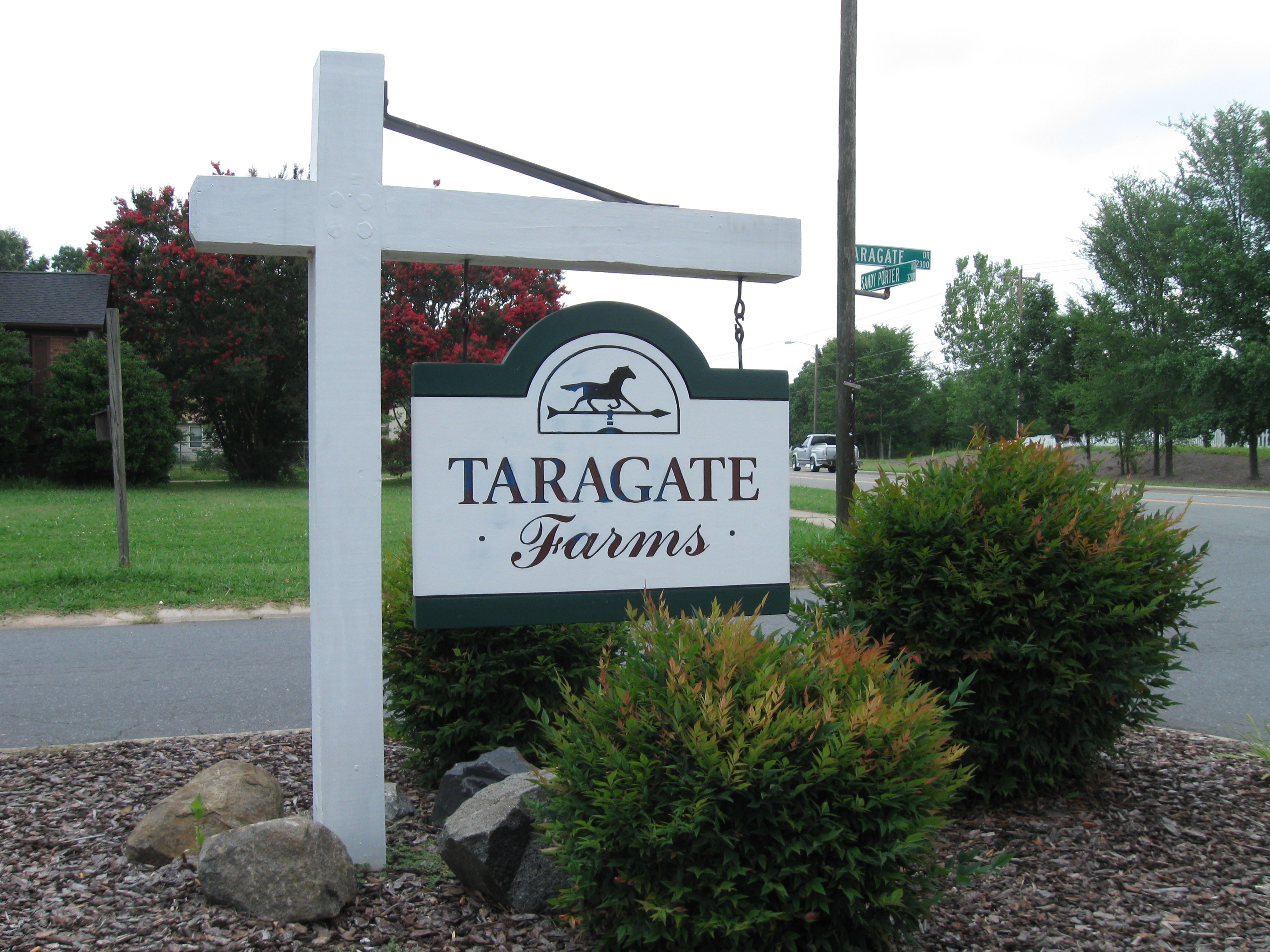
If you were to drive south on I-77 and exit onto Arrowood Road in Charlotte, North Carolina, you would eventually run across a development called “Taragate Farms.”  I had no idea it existed until recently, when I was invited to have dinner at a home in the neighborhood.

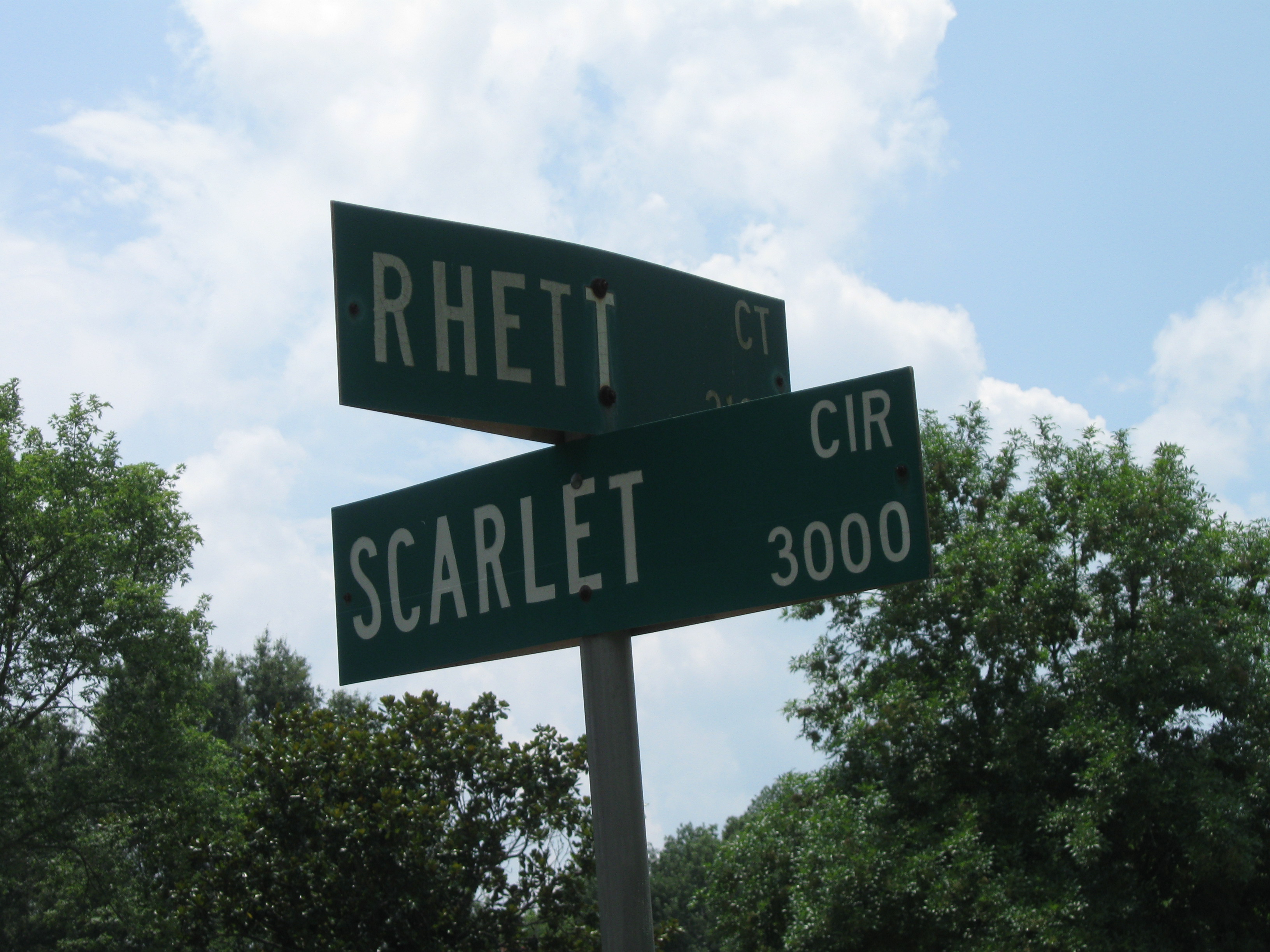
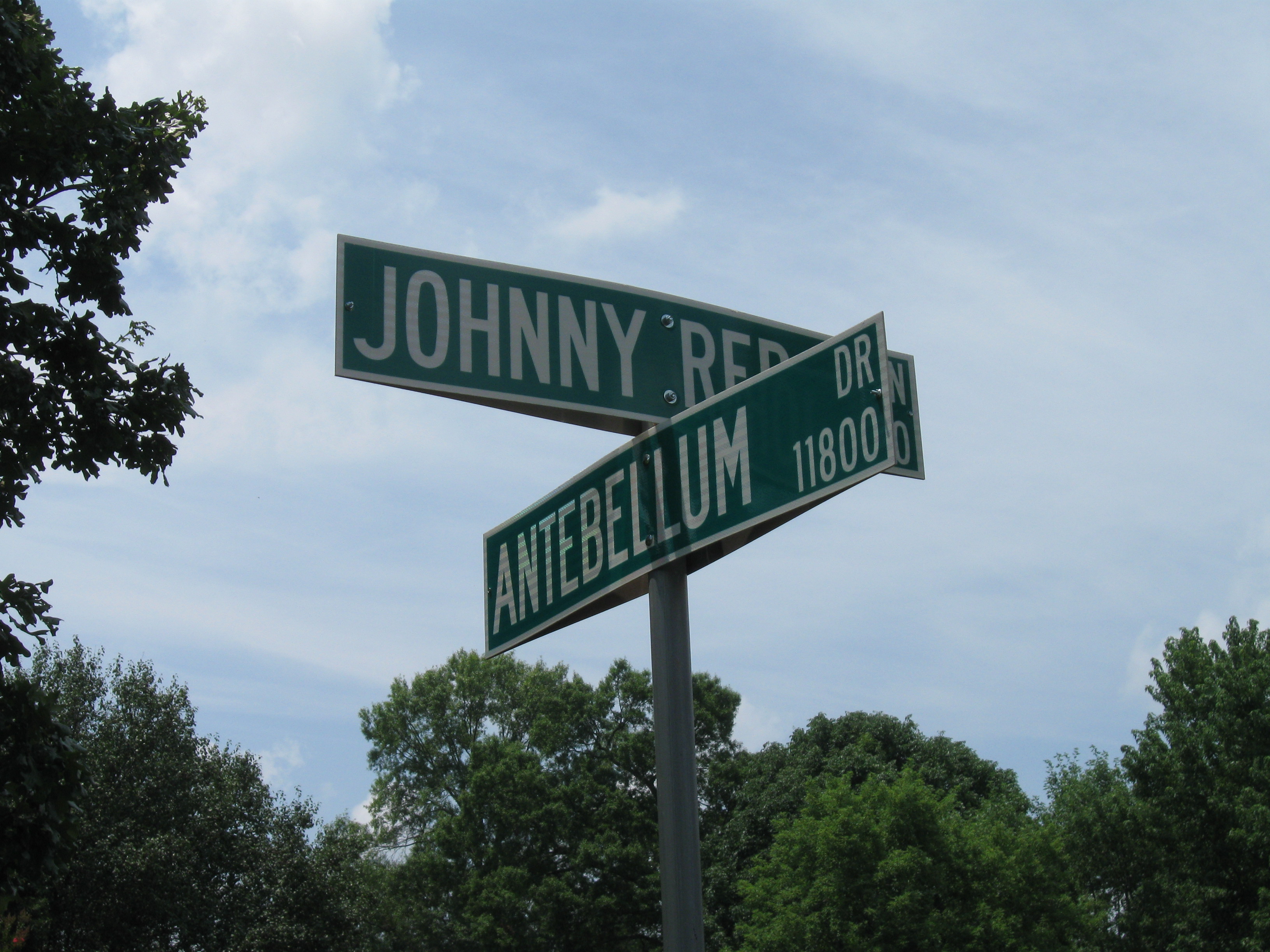
At first, I didn’t think too much about the sign that sets out in front announcing one is entering “Taragate.”  However, as I followed directions on my Garmin I started noticing street names.  Driving down “Scarlett Circle” my eyes were alerted to themes of Gone with the Wind and the Old South. In the same neighborhood, just off of Scarlett Circle is “Rhett Court” and “Rice Planters Road.”  “Julep Lane” intersects with “Pitty Pat Court.”  “Antebellum Drive” is just off of “Johnny Reb Lane,” and “Sherman Drive” (appropriately) crosses over “O’Hara Drive.”

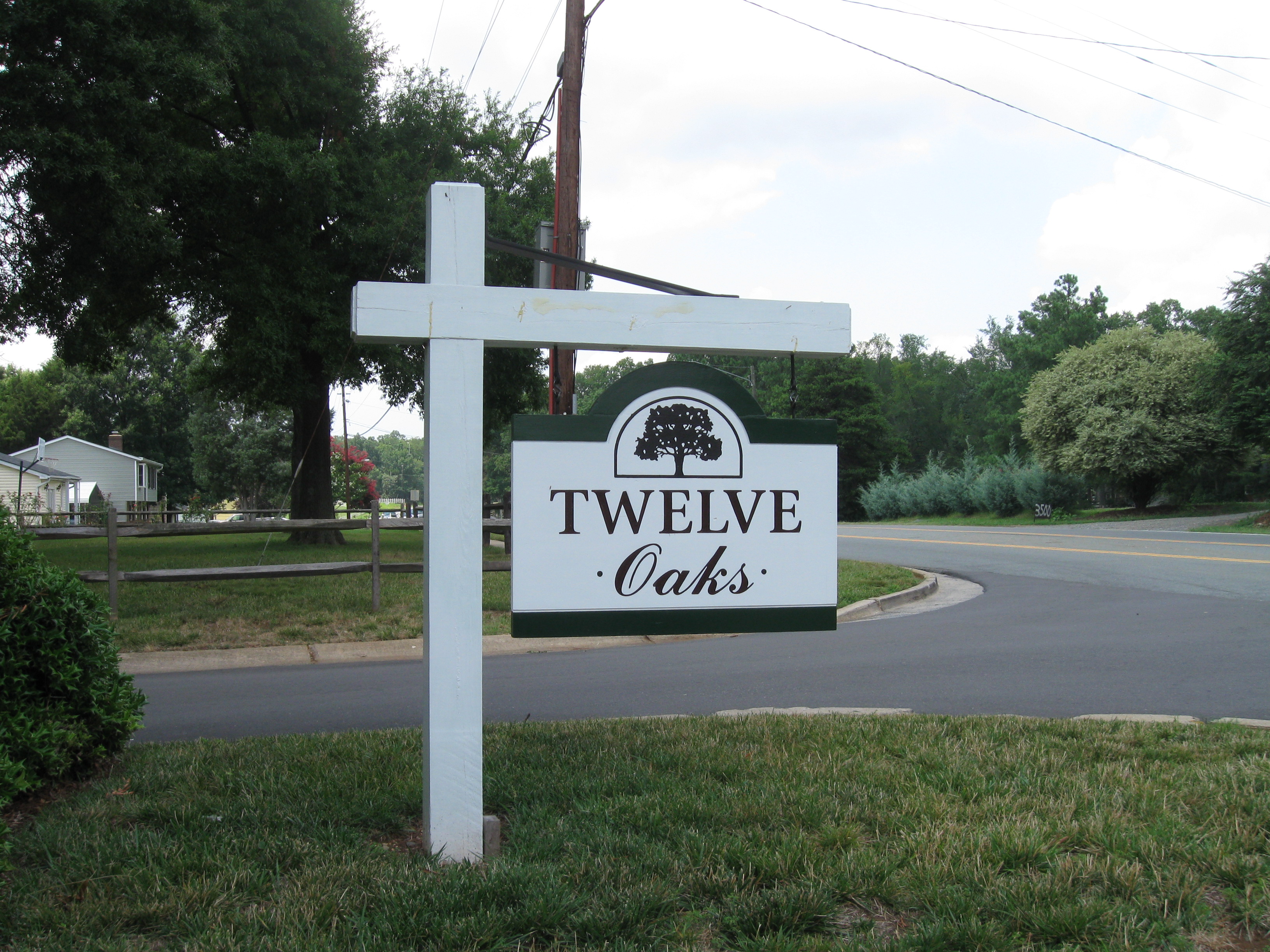
Well, of course, I had to investigate.  It turns out that sometime in the 1980s, Ryan Homes created Taragate and, hold on to your hoop skirts, “Twelve Oaks”–two neighboring housing developments in an area that is so far south of the city, one might call it the Deep South of Charlotte.

I have no idea to whom they were marketing these neighborhoods twenty-five years ago, but today the residents reflect a far more diverse population than one would expect to be living in a development with attachments to the Old South or Gone with the Wind.  Indeed, my dinner hosts were African American, and their neighbors were both white and Asian.

On the one hand I was impressed by the extended marketing reach of the novel and the film, such that in the 1980s developers wanted to “recreate” Tara and Twelve Oaks.  Yet,  I also wondered what my dinner hosts thought about it–you know, with references to plantations and all.  But while I was fascinated, they seemed unfazed.

Clearly, Gone with the Wind has lost some of its relevance, despite the big 75th anniversary celebrations of the book going on this year.  Today, however, neither the book nor the film does the kind of damage it once did to the progress of race relations in the United States, even though the portrayals of African Americans remain offensive.  Although people around the globe will be commemorating Margaret Mitchell’s tome on the Old South in 2011, at Taragate and Twelve Oaks there will be folks wondering what the fuss is all about.

Blonde and Blue: Today’s Southern Belle

Recently, I caused quite a stir among friends on Facebook when I suggested that today people think of the southern belle as a young woman who has blonde hair–in addition to a having a southern drawl and other character traits people associate with someone being a “southern belle.”  This discussion was originally prompted by a post I made about an ad that appeared in a local issue of Creative Loafing for the show “The Bachelor.”  The ad was to announce the show’s casting call, which read “Calling All Southern Belles.” 

What did they mean by that exactly?  Should she have a southern drawl?  Was she blonde? What sort of stereotype were the producers looking for? Several of us weighed in and there was considerable disagreement among my fellow southerners, especially when I suggested that the current point of view held in pop culture was that a southern belle should be blonde.  This certainly didn’t apply to the most popular belle of all time.  I mean, Scarlett O’Hara had black hair for crying out loud!

So, I decided to go to the casting call and interview people for their opinions as to the questions “What is a southern belle?”  “How would you describe her?”  There was general agreement on her traits–many said she was polite, well-mannered, etc.  But there was more than one person who responded that a southern belle had blonde hair and blue eyes.

One of the young women I interviewed was actually asked to come in based on a video she submitted to the show.  She had the requisite southern drawl and guess what else?  Blonde hair and blue eyes.

Perhaps the idea that southern belles have blonde hair and blue eyes is generational or maybe even regional.  Most people associate the intangible qualities that make a woman a southern belle–not her physical traits.  Yet in popular culture you get a bit of both.

Clearly, the makers of Butterfinger Snakerz think a southern belle has blonde hair, blue eyes, has a southern drawl (no matter how bad) and is even a little stingy.

Gone with the Wind as Southern History

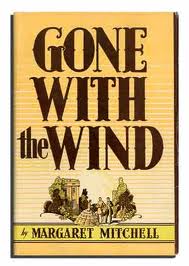
Unless you have been living under a rock, you know that this year marks the 75th anniversary of the publication of Margaret Mitchell’s Civil War epic, Gone with the Wind.  The book and its characters are being celebrated and discussed around the world.  From Atlanta to Calcutta, people have weighed in on why they like the book, how many times they’ve read it, and how it has influenced their lives.

Aside from the personal connections readers have made with the book and its characters, however, Gone with the Wind’s most enduring legacy has been in shaping a popular understanding of the Old South and the Civil War.  From the beginning, fans have accepted as truth the book’s Lost Cause narrative of the pre-Civil War South as a region gilded by romance and whose cast of characters included cavaliers, belles, mansions, and of course, loyal slaves.

Yet it is fair to say that the film, more than the book, has influenced this popular view of the southern past.  Even Margaret Mitchell called this one.

Indeed, a few years after the film premiered, she wrote to her friend Virginius Dabney, editor of the Richmond Times-Dispatch, mortified that she was “included among writers who pictured the South as a land of white-columned mansions whose wealthy owners had thousands of slaves and drank thousands of juleps.”

Her embarrassment derived from the fact that the film had done more to influence what people had learned about the Old South than her book. “Southerners could write the truth about the antebellum South,” she said, but “everyone would go on believing in the Hollywood version.”

One could certainly argue that what Mitchell produced, despite her meticulous research, was not necessarily a “truthful” southern history, but one in step with the Lost Cause version she grew up with. Yet, Mitchell was on target about the film’s influence in shaping a popular understanding of southern history.

“People believe what they like to believe,” she wrote, “and the mythical Old South has too strong a hold on their imaginations to be altered by the mere reading of [my] book.”  This was true.  As the most influential medium of popular culture in the first half of the twentieth century, movies shaped what people learned about history.  And during the 1930s, movies set in the Old South were very popular.

When the book was made into a film, Gone with the Wind became Hollywood’s first blockbuster, and as such it cemented an image of southern history in the popular imagination—much to the chagrin of African American leaders who recognized that this kind of popular “history” not only damaged the morale of their race, but hurt the cause of civil rights nationally.

This year’s celebrations of the book and the film probably won’t lead most people to think, much less hold serious discussions, about Gone with the Wind’s influence on popular perceptions of southern history.  That would ruin the historical fantasy that Margaret Mitchell created and which they love.  And frankly, I’m not sure they give a damn.

Note:  This blog post originally appeared on the UNC Press Blog.