Headin’ South on the Dixie Highway

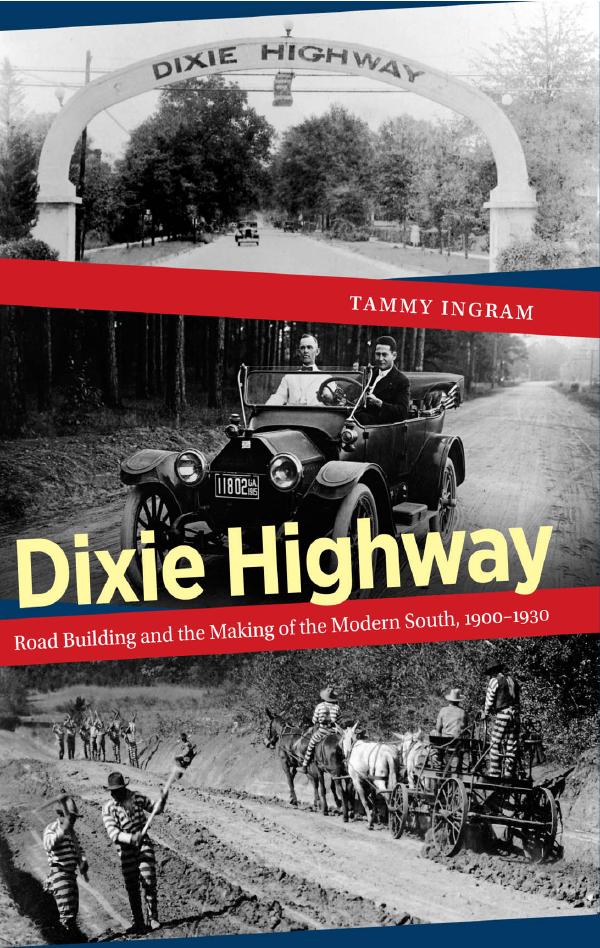
dixiehighwayPop South spoke with Tammy Ingram, Assistant Professor of History at the College of Charleston, a couple of months ago about her new book Dixie Highway: Road Building and the Making of the Modern South.  If you’re traveling between Michigan and Miami this summer, you might actually be driving on portions of the Dixie Highway.  Read about this road that connected North and South causing some to refer to it as the “Dixie Peaceway.”

PS: Briefly, what is the Dixie Highway?

“The Dixie Highway was the first modern interstate highway system in the country, and it lasted from approximately 1915 to 1925. It was originally planned as a single route between Chicago and Miami Beach, but a fierce routing competition transformed it into an ambitious and sophisticated network of nearly 6000 miles of roads looping through the Midwest and South from the Canadian border all the way to Miami Beach.”

PS: How did the Dixie Highway change the South?

“The obvious ways that the Dixie Highway changed the South were economic: It gave farmers easier and more flexible marketing options for their crops, allowed rural southerners access to larger towns and cities, facilitated the Great Migration of rural African Americans, and opened up the South to new tourist-related businesses. It changed the ways in which people moved around in the South. Before the Dixie Highway, roads were entirely local in both scope and governance. But the Dixie Highway challenged that model by making automobile travel an alternative to railroads for long distance trade and travel. In doing so, the Dixie also transformed southern—and national—politics by centralizing control over massive public works projects. During the brief lifespan of the Dixie Highway, road building shifted from the jurisdiction of local authorities into the hands of state and federal bureaucrats who wielded tremendous political power and controlled massive budgets.”

PS: Since this is a blog on the South in pop culture, can you tell us about the ways that the DH entered into American popular culture?

The DH also made it into popular song. Image credit: IN Harmony Sheet Music Collection, Indiana University

“Although many people have never heard of the Dixie Highway, a century ago it helped to create the modern automobile tourism industry. Gas stations, roadside motels, and tourist attractions were unheard of in most of the country—and certainly in the South—before the Dixie Highway, but by the mid-1920s they lined the route from Michigan to Miami Beach.

The highway also helped to turn the South itself into a destination instead of just an obstacle for wealthy northern and Midwestern tourists bound for Florida resorts. Enterprising southerners marketed everything from antebellum mansions to peach and cotton farms to automobile tourists, and northern businesses named (or in some cases, re-named) their establishments in honor of the Dixie Highway. “Dixie” motels and gas stations in Michigan, Illinois, Indiana, and Ohio were commonplace. So were songs, postcards, magazines, and road maps that advertised (and celebrated) the Dixie Highway.”


PS: As a native Georgian, how do you think being a southerner adds to your perspective on the Dixie Highway?

“I learned how to drive on narrow, rural dirt roads that were not entirely unlike those that comprised the original route of the Dixie Highway. Navigating those roads could be difficult even in the best of weather. When it rained, some of the roads were impassable. We obviously also had modern, paved roads in South Georgia by the 1980s, but we were isolated in other ways: We were among the last places to get things like cable television and even dial-up internet, and the only tourists who ever passed through town were on their way to the beaches in the Florida panhandle. When I discovered the Dixie Highway while doing research for my original dissertation topic on the Great Migration, I think I was drawn to it because the struggles rural people were facing at the turn of the twentieth century felt a little bit familiar to me.”

PS: What projects are you working on next that followers of Pop South would find interesting?

Tammy Ingram, author of a new book on the Dixie Highway. Photo credit: College of Charleston

“I’m excited about my next book project, which is tentatively titled Dixie Mafia: Sex, Race, and Organized Crime in the Sunbelt South. It covers a wide array of organized crime activities in the postwar South, but it focuses on a story that has long fascinated me: The murder of Albert Patterson in Phenix City, Alabama in 1954. Like many other small towns situated near military bases, Phenix City’s main industry in those days was vice: Mobsters made tens of millions of dollars a year on gambling and prostitution, and local law enforcement and city leaders were getting a cut of the profits in exchange for their cooperation. Patterson became a target for the mob because he ran for attorney general and promised to go after them. But they went after him, instead. It’s a fascinating story, and all the more so when you consider it within the context of the Civil Rights Movement and the Cold War.”
 

Memphis Ain’t Chicago: Reflections on Race and Southernness

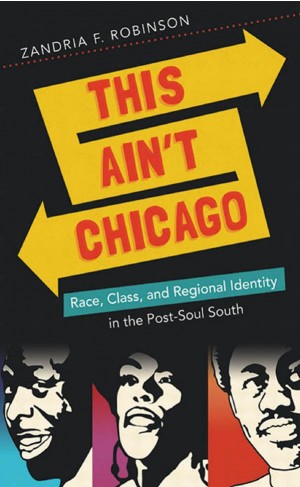
aintchicagoPop South is pleased to introduce its readers to Zandria Robinson, Assistant Professor of Sociology at the University of Memphis where she’s also an alumna. Dr. Robinson’s new book This Ain’t Chicago: Race, Class, and Regional Identity in the Post-Soul South delves into black southern identity in Memphis, Tennessee.  You should also peep her blog New South Negress where she extends the conversation on race, region, and culture she began in her book. (Note: This interview will also appear on this blog under “Porch Talk” as “This Ain’t Chicago with Zandria Robinson”.)

PS:  For the uninitiated, tell us about how you arrived at the book’s title “This Ain’t Chicago?”

The title is actually a direct quote from many of my respondents, black southerners I interviewed in Memphis over the course of five years. Initially I noted it as something that people said frequently, but did not immediately grasp its import. I thought that folks were responding to the fact that they thought I was from Chicago because I was attending graduate school there. Later, as respondent after respondent made this comment and gave me varied but similar reasoning about why “this” wasn’t Chicago, I realized they weren’t talking about me, or Memphis, or even Chicago. They were saying, the South isn’t the North; the South is qualitatively different from anywhere else. Once when I was talking to one of my advisors, Chas Camic, about my findings, I told him, “people keep saying, ‘this ain’t Chicago, this ain’t Chicago.’ He said, “sounds like a good title for a book.” And it stuck. It was also a convenient dig at the Chicago School of Sociology, recognized as the “founding” school of American sociology at the University of Chicago, which has dominated how we think about black life and urban studies for nearly a century. (But others like Earl Wright II have shown that actually W. E. B. DuBois founded the first American school of sociology at Atlanta University.) So “this ain’t Chicago” is like the descendants of those African Americans who never left the South, for Chicago or anywhere else, talking back to the descendants of those migrants who have made up the majority of the stories about black life in sociology since WWII, as well as talking back to scholars and others who have ignored the contemporary black southern experience.

PS: What do you mean by a “Post-Soul South?”

Dr. Zandria Robinson

Post-soul is a term popularized by the cultural critic Nelson George and expounded upon by Mark Anthony Neal to delineate the contours of the cultural moment after the civil rights movement. For me, “soul” is a cultural shorthand for the music, art, and ideas in black culture between WWII and the assassination of King. King’s assassination is like a scratch across that long soul record that shuts down the party, and though the music began again, it did so with a new aesthetic influenced by the massive social and political changes that came about as a result of the civil rights acts, the deployment and then rolling back of affirmative action, the crack epidemic and mass incarceration, further disinvestment in black neighborhoods, and a host of other deliberate practices that sought to limit the rights of black folks in America. The art produced in and influenced by this context is “post-soul.”

While the South experienced the changes sweeping across all of America beginning in the 1970s—the effects of deindustrialization and globalization, the entrenchment of neoliberalism, suburbanization and destabilization in the urban core, etc.—the notion of a post-industrial, post-soul, or post-civil rights moment means something different in the place where rural patterns of government and industry prevailed, the blues was still being created and lived, and government officials had publicly declared segregation forever. Further, the legacy of slavery, evangelical religiosity, higher black-to-white population ratios, and the expansion of plantation power affected how southerners experience the historical and cultural moment after King’s assassination as well.

PS: Why do you believe Memphis is an ideal place for discussing the American South’s racial and regional identity?

As my colleague and sociologist Wanda Rushing argues, Memphis is “neither Old South or New South,” by which she means it doesn’t have a legitimate legacy of the Old South like your major slave ports on the eastern seaboard with their towering plantation homes and wealth, nor does it have the glitz and progressive shine of a bustling New South metropolis like Dallas or Atlanta. For me, Memphis sits at the intersection of soul and post-soul, rural and urban, civil rights, and post-civil rights. It is the site of the creation of some of the most important soul music ever, which is now sampled in the post-soul era all throughout hip-hop and R&B music and beyond, all over the world. It is symbolically, historically and geographically linked to the Mississippi Delta, which historian Jim Cobb has aptly called “the most southern place on Earth,” and the city is populated with country folks who make and are re-made by the southern urban landscape here. And it is a place where King was assassinated and today the African American infant mortality rate is amongst the highest in the nation. The social justice goals that need to be met here—addressing poverty, investing in children and human capital, eliminating health disparities, challenging environmental racism, amongst others—are directly related to the unfinished legacy of King. They also echo throughout the South, where negative outcomes abound for the most vulnerable groups. Essentially, Memphis is a place where you can examine snippets of “old” and “new” South as they collide with one another in urban space. It’s where the things that we popularly think make southerners southern intersect with the things that we popularly think make black folks black.

PS: Since this is a blog that examines the South in popular culture, how does your book engage with popular culture?

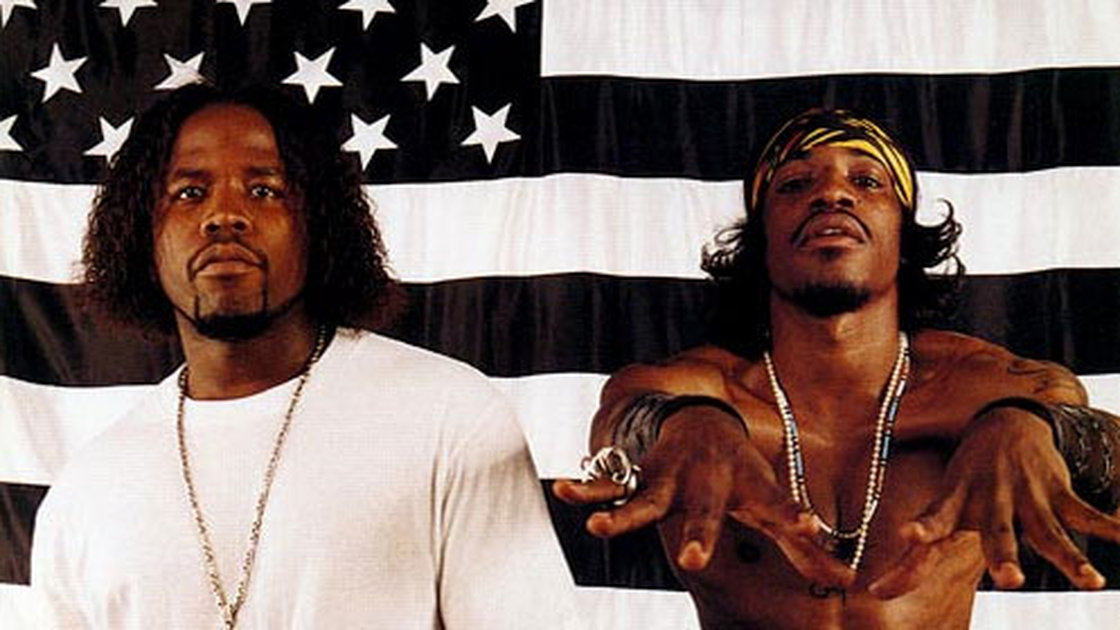
Big Boi and Andre 3000 from their album Stankonia
Outkast’s Big Boi and Andre 3000 from their album Stankonia

This Ain’t Chicago is really about my love affair with popular culture, and black southern popular culture in particular. In the middle of an analysis of some ethnographic data you’ll find gestures towards Outkast lyrics. At first, I set out to write an urban sociological text, one that inserted a southern city into the urban sociological landscape to shake us out of our disciplinary deference to Chicago, New York, and Los Angeles. But my background in literary criticism, as well as the fact that it was in popular culture where the work on the contemporary black South was being done, meant that This Ain’t Chicago became much more about the relationship between people’s ideas and popular culture representations of their experiences. I take popular culture just as seriously as “data” as I take my respondents’ sentiments. In fact, it is black southern popular culture, and hip-hop in particular, that was doing the ethnographic work about the South when sociologists were not. Three Six Mafia, Gangsta Boo, 8-Ball and MJG, Arrested Development, Ludacris, T.I., Outkast, Nappy Roots—the list goes on and on—were giving us a visual and lyrical ethnographic analysis of the post-soul South through their music and music videos while sociologists were still talking about Chicago, New York, and Los Angeles and historians were talking about everything before King’s assassination. So popular culture is really a starting place for me in thinking through questions about racial and regional identity, and I bring analyses of hip-hop, film, and other popular culture artifacts to the fore in the book.

PS: What projects are you working on next that followers of Pop South would find interesting?

I’m working on a project about black southern bohemians, sort of poking at the whiteness of the notion of bohemians in the South (Austin, TX, Athens, GA, Asheville, NC) and the New York-ness of the notion of black bohemians. In particular, I’m thinking about how black southerners create and maintain bohemian cultures that manifest in art, music, photography, and other aesthetic practices. And I’m also thinking about how race and regional identity affect black southern bohemianism. André 3000 of Outkast is often seen as sort of the black southern bohemian as if he is an anomaly of some sort. But there are other examples in popular culture and certainly on local black arts scenes that demonstrate that for black southerners, bohemianism is a cultural and aesthetic response to the constraints of race, class, and region on black life that many folks employ. So, I’m exploring these ideas through the same sort of mix of ethnograpy and popular cultural analysis that This Ain’t Chicago employs.

Check out Professor Robinson’s interview with Dr. Regina Bradley for her series Outkasted Conversations:

Announcing “Porch Talk” on Pop South

porchtalkI’m excited to announce the addition of a new section to my blog that I’m calling Porch Talk. (Yes, I know it’s not an original phrase, but it works well for the blog.) The idea is to interview authors and artists whose work on the American South fits into the larger discussion of the South in popular culture.

For now, these interviews will appear as pages in a Q&A format and you’ll be able to find them in the drop down menu under “Porch Talk” on the blog.  Ultimately, my plan is to start a podcast. That is, as soon as I figure out how to do it.  For now, I invite you to “listen” in on the very first interview, with Tammy Ingram, about her new book on the Dixie Highway. DH for those in the know.

Pop South at the University of Maryland Baltimore County

I am speaking about the early years of the South in pop culture.

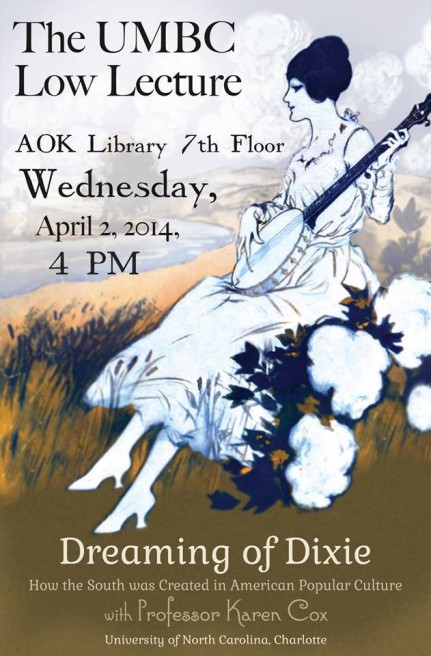
Next week I’ll be giving the annual Low Lecture, co-sponsored by the Department of History, at the University of Maryland Baltimore County.  The good people there made this nice poster to accompany the talk.

For Whom The (Southern) Belle Tolls

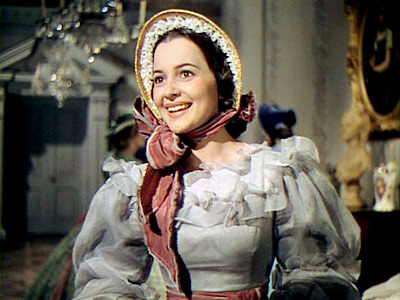
The true southern belle from GWTW was Melanie Hamilton Wilkes, played by Olivia deHavilland

It seems fitting that after posting a blog about pop culture’s southern gentleman that I should talk about his counterpart, the southern belle.  What follows is an edited version of an early blog I wrote for another site.

A few years ago TLC, the channel that still airs Here Comes Honey Boo Boo, brought us a show called Bama Belles.  It seems unlikely that “belle” is an appellation anyone would apply to women who don camouflage to hunt or are ready to start a bar fight. Still, the conscious decision by the show’s producers to make “belles” part of the show’s title offers an opportunity to consider the evolution of the term that is now used to describe the women on this show. (Update: Bama Belles was cancelled after only a few episodes.)

“Belle” was originally applied to white women of the southern planter class and a woman who was classified as such was as much a creation of antebellum sentimental literature as she was real.  During the nineteenth century, authors North and South placed her at the center of the plantation legend and idealized her as one who was as delicate as she was strong, and as feminine as she was a dominant figure of the plantation.  Novelists and playwrights of the twentieth century, too, have made the southern belle central characters in their narratives.  The most famous of these was Scarlett O’Hara, the protagonist in Margaret Mitchell’s 1936 epic Gone with the Wind.  Scarlett, however, was more modern than her predecessors, which is one of the reasons women around the world found her appealing.

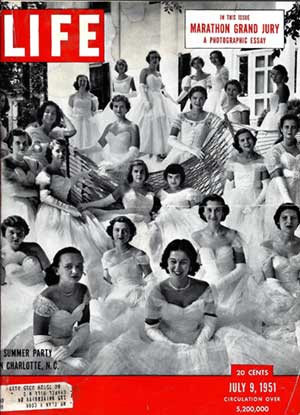
Debutantes in Charlotte, NC, 1951.

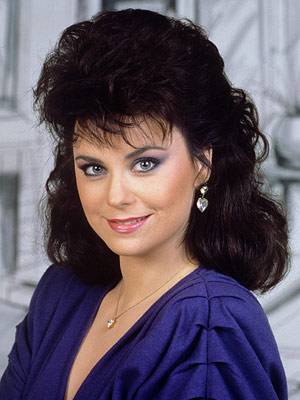
Mid-twentieth-century southern debutantes also donned the title of “belle.” No longer plantation mistresses, these belles were still members of the South’s white social elite. For its July 9, 1951 issue, Life magazine featured Charlotte, North Carolina, debutantes with the caption that they looked “as gracious as any ante-bellum belles,” a clear reference to their Old South antecedents.  Being a debutante or a pageant queen has often qualified southern women as belles, and no fewer than a dozen southern contestants were crowned Miss America between the 1950 and 1980, which in its own way helped to perpetuate the image of southern women as belles. Then, in the 1980s, debutante and pageant queen came together in Delta Burke’s portrayal of Suzanne Sugarbaker on television’s Designing Women.

Delta Burke's Suzanne Sugarbaker offered a modern take on southern belle
Delta Burke’s Suzanne Sugarbaker offered a modern take on southern belle

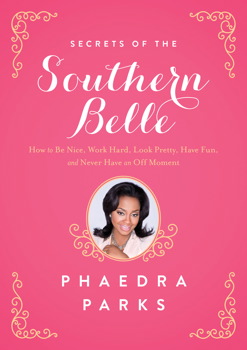
Over the last several years the term has been partially stripped of its “whites only” racial affiliation, illustrating how the term has evolved.  Some years ago, I was having a conversation with someone who referred to the students at Bennett College (a private, historically black liberal arts college for women in Greensboro, North Carolina) as “belles.”  Their student handbook is known as the “Bennett Belle Book,” their email is “Bellesmail,” and campus updates come in the form of “Belle Alerts.”  Admittedly, it was the first time I had heard the term applied to black women, but it made sense given the socially elite dimensions of the term.  It certainly applied to the fictional character Whitley Gilbert, an African American southern belle played by Jasmine Guy on the show A Different World (1987-1993) in a sitcom based on the fictional Hillman College.  The tradition of the black southern belle continues with the most recent addition to the cast of The Real Housewives of Atlanta, attorney Phaedra Parks.  She, too, is a self-proclaimed southern belle.  On the one hand she is modern in her approach to “belledom,” and yet she has more traditional belle credentials, such as her participation in beauty pageants and her membership in Atlanta’s Junior League.

Real Housewife of Atlanta Phaedra claims the title of southern belle, too.
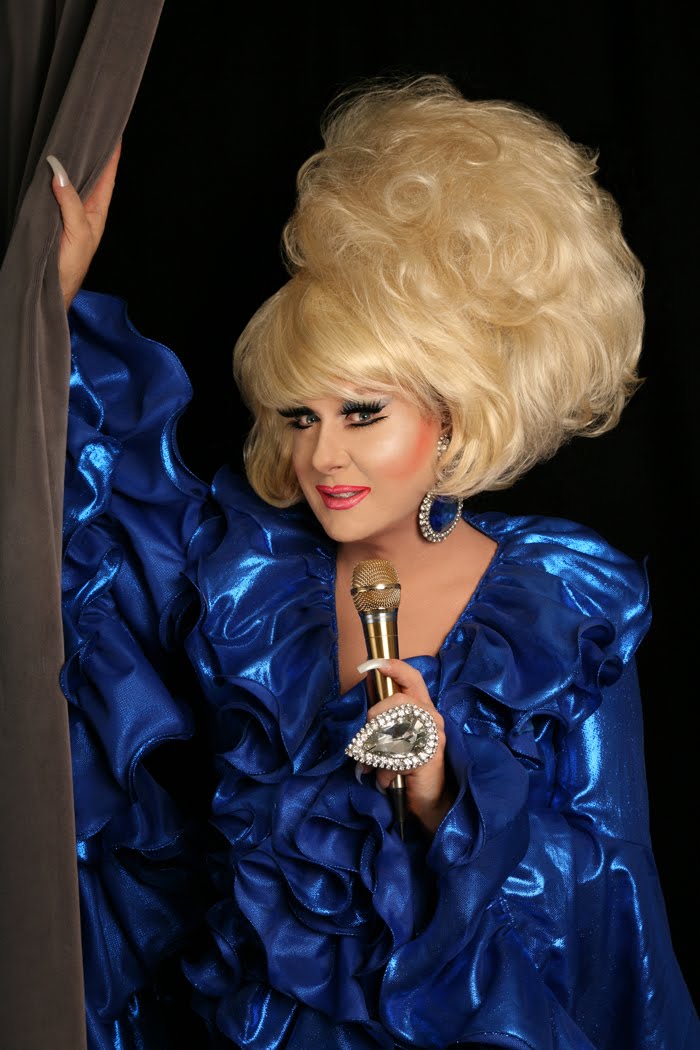
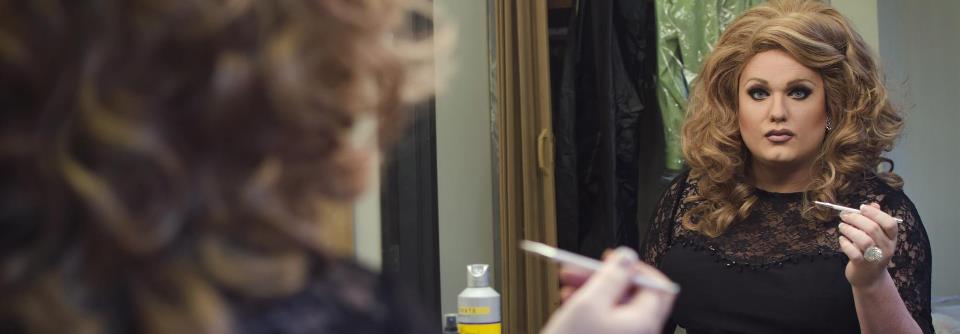
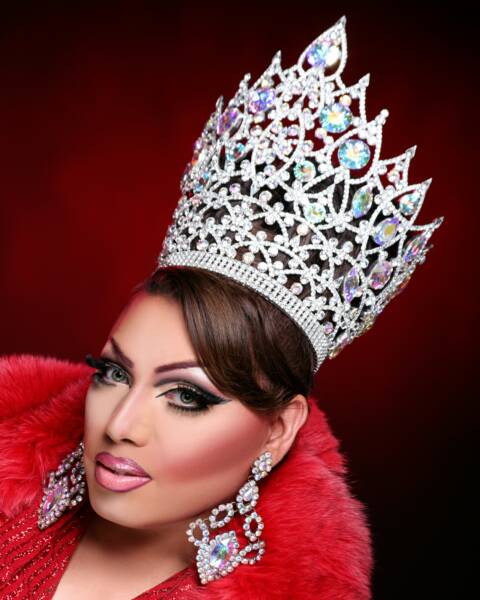
Layla LaRue, drag performer from Texas.

Some folks might be surprised that men, too, can be belles. Throughout the South they exist in the form of female impersonators. In fact, there are numerous regional pageants whose competitions are just as fierce as those held for women.  I served as a guest judge for at least two such pageants in Hattiesburg, Mississippi, including one for “Miss Dixie,” and can vouch for the seriousness of the contestants to offer their best impression of the southern belle.

The one feature of the southern belle that seems to have remained consistent over time—regardless of race, class, or gender—is that it is largely a social performance.

Given that, the belle clearly tolls for anyone who’s interested in the part.

.

The American South at the Oscars

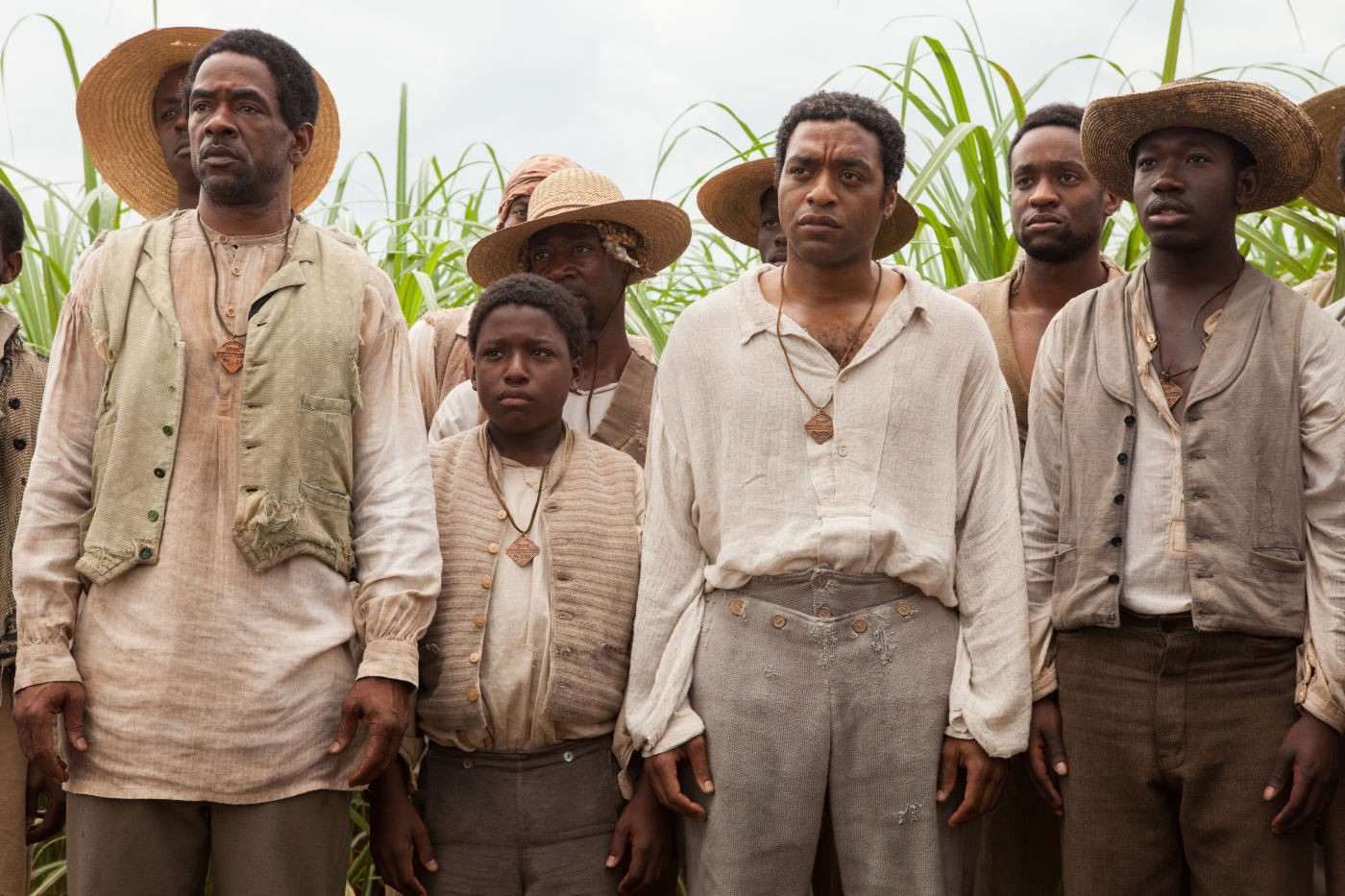
12 Years a Slave
12 Years a Slave

The American South has been the subject and setting for countless films over the years and many of them have been nominated for Best Picture, and more than a few have won the Oscar.  And this year is no exception. Among the nominees for Best Picture are “12 Years a Slave,” most of which is set in Louisiana, and “Dallas Buyers Club,” set in Texas. (Update: 12 Years a Slave won Best Picture)

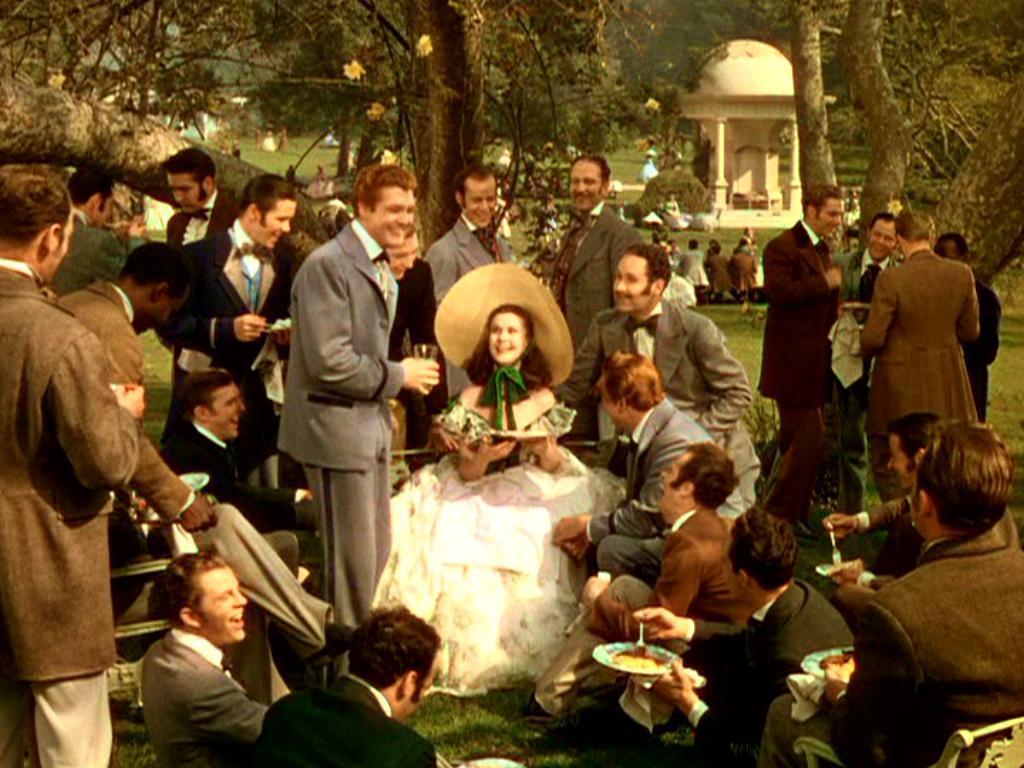
While the 1930s was known for movies set in the Old South, the first motion picture set in the region to receive an Oscar nomination was “I Am a Fugitive from a Chain Gang,” (1932) in which a wrongly-convicted James Allen (played by Paul Muni) serves time on a southern chain gang.  The next southern-based film to get an Oscar nomination was “Jezebel” (1938), starring Bette Davis who won the Oscar for Best Actress. Set in Louisiana, it is one of the better films in the genre of the plantation legend, because of its stars, but it still employs African Americans in stereotypical roles. One year later, in 1939, “Gone with the Wind” (GWTW) surpassed all previous films of its kind and not only won Oscar for Best Picture, it was truly one of the first films to become a blockbuster, and its representation of the South shaped popular perceptions of the region for decades to come.

Gone-With-the-Wind-gone-with-the-wind-4368646-1024-768
Gone with the Wind

Oscar-nominated films set in the American South after GWTW include the following:

*Denotes winner of Best Picture

The Little Foxes (1941)
The Yearling (1946)
All the King’s Men (1949)*
A Streetcar Named Desire (1951)
Cat on a Hot Tin Roof (1958)
The Defiant Ones (1958)
To Kill a Mockingbird (1962)
In the Heat of the Night (1967)*
Midnight Cowboy (1969)*  (included because of Jon Voight’s character Joe Buck)
The Last Picture Show (1971)
Deliverance (1972)
Sounder (1972)
Nashville (1975)
Norma Rae (1979)
Coal Miner’s Daughter (1980)
The Big Chill (1983)
Tender Mercies (1983)
A Soldier’s Story (1984)
Places in the Heart (1984)
The Color Purple (1985)
Mississippi Burning (1988)
Driving Miss Daisy (1989)*
JFK (1991)
The Prince of Tides (1991)
Forrest Gump (1994)*
The Green Mile (1999)
Ray (2004)
Capote (2005)
There Will Be Blood (2007)
The Curious Case of Benjamin Button (2008)
The Blind Side (2009)
Winter’s Bone (2010)
The Help (2011)
Beasts of the Southern Wild (2012)
Django Unchained (2012)
12 Years a Slave (2013)*
Dallas Buyers Club

Back in 1938, German director Kurt Neumann said that the South was “one of the best subjects Hollywood has ever had for sustained interest,” adding “we are just beginning to understand the South.” At the time, Hollywood was still making films focused on the Old South. While films with a southern setting continue to draw on regional stereotypes, not all of them do. And yet even in 2014, it seems fair to conclude that Hollywood is still “just beginning to understand the South.”

Pop Culture’s Southern Gentleman

This winter Atlanta, (and the South more broadly), got skewered in the media when a snowfall of just two inches snarled traffic on the interstate highways that cut through the heart of the city, causing several hundred people to abandon their cars and walk home, in some cases, for several miles. Saturday Night Live‘s Weekend Update covered the news story in classic SNL style by having “Atlanta resident” and storm survivor “Buford Calloway” offer a firsthand account.

The character of Buford Calloway is one in a long line of southern gentleman and a central figure in the pop culture pantheon of southern icons who make up the plantation legend. The southern gentleman, in fact, has a history in popular culture that extends well into the antebellum period. One of the earliest descriptions of the southern gentleman can be found in John Pendleton Kennedy’s book Swallow Barn (1832), who appears in the character of Frank Meriwether, a 45 year-old Virginia planter. Kennedy introduces him this way:

“Good cheer and a good temper both tell well upon him. The first has given him a comfortable full figure, and the latter certain easy, contemplative habits, that incline him to be lazy and philosophical. He has the substantial planter look that belongs to a gentleman who lives on his estate, and is not much vexed with the crosses of life.”

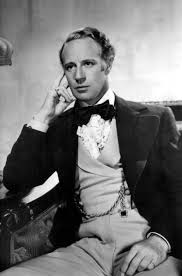
Leslie Howard as Ashley Wilkes in Gone with the Wind

The southern gentleman has long been seen as an insular man who doesn’t venture far beyond his homeland (the South) or, in the case of Frank Meriwether, his estate. He is well-read and attentive to his personal appearance, but he’s not really a man’s man. He’s a tad soft, because he owns the land and doesn’t work it. You can see hints of these character traits in SNL’s Buford Calloway. He clearly doesn’t venture beyond Georgia, or even Atlanta, and lumps South Carolina in with “the North.”  And, he’s a well-groomed fellow who not only doesn’t appear to engage in manual labor, he likely gets manicures.

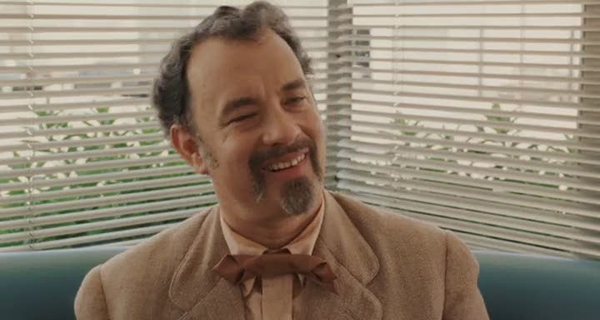
Tom Hanks in The LadyKillers (2004)

A century after Americans were introduced to Frank Meriwether, the southern gentleman of popular culture had changed very little. He made regular appearances in films of the 1930s.  He was Duncan Bedford (played by Randolph Scott) in “So Red the Rose,” Herbert Cary (played by John Boles) in “The Littlest Rebel,” and Preston Dillard (played by Henry Fonda) in “Jezebel.” More than anyone, he was Ashley Wilkes who Leslie Howard brought to life in “Gone with the Wind.”  (Sorry ladies, Rhett Butler was not a gentleman.) More recently, Tom Hanks offered his interpretation in 2004’s “The Ladykillers,” a Coen Brothers remake of the 1955 film set in London, as Professor Goldthwaite Higginson Dorr.

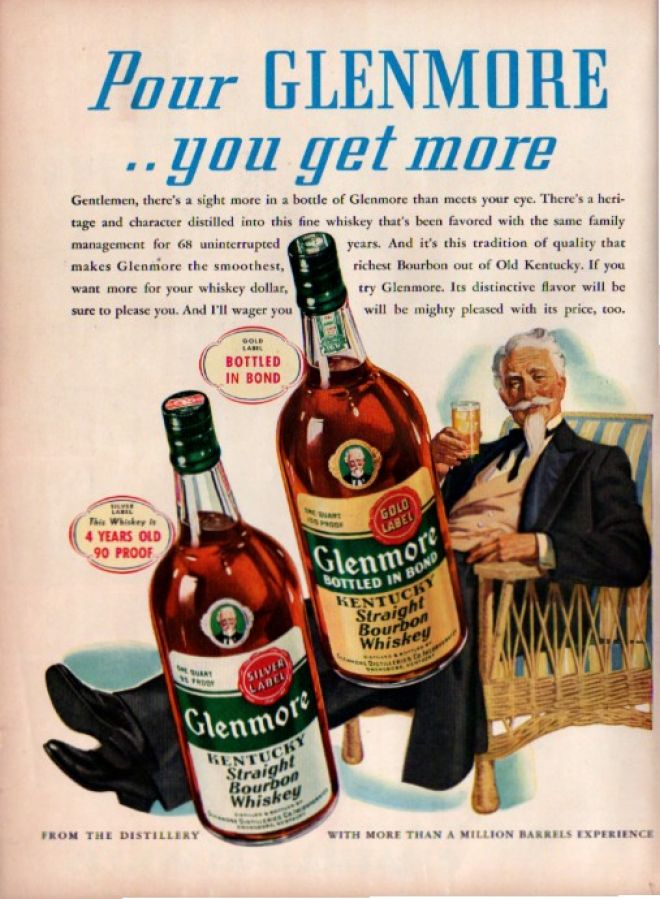
The Southern Gentleman drinks bourbon.
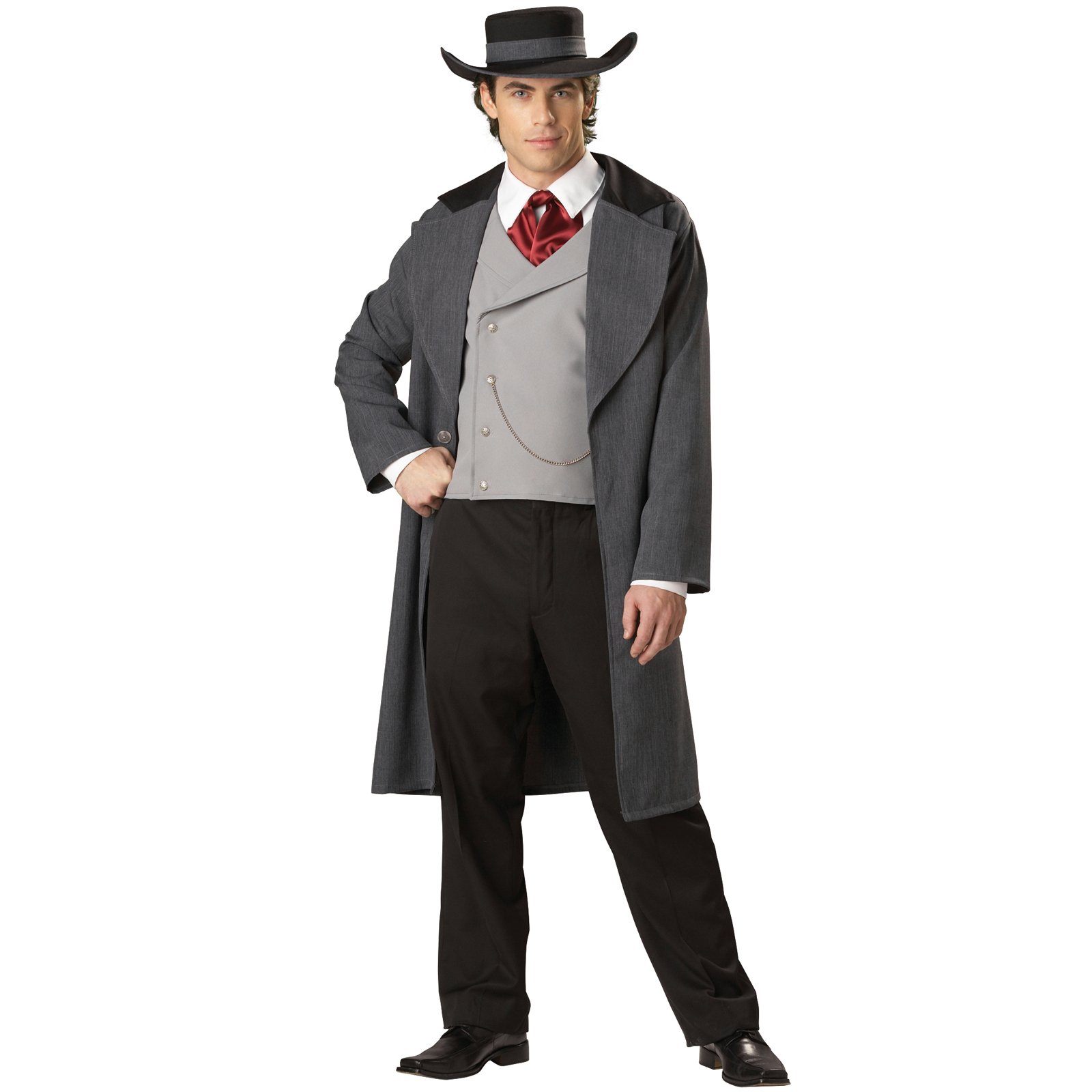
The Southern Gentleman Costume

The southern gentleman has also been used as an advertising icon, most often for the sale of Kentucky bourbon, but also beer.  There’s even a southern gentleman “costume” that can be purchased for special occasions.

What’s notable, of course, is that there’s nothing modern about the southern gentleman. At least not in popular culture. He’s still a character of the Old South. He has a mustache and goatee. He probably drinks bourbon. He may even dress like he’s still wedded to the land of his ancestors.

He’s Buford Calloway. The only difference is Buford’s modern suit of clothes.

Faith and Conviction in Southern Appalachia: The Death of a Snake-Handling Pastor

Pastor Jamie Coots at his church in Middleboro, KY. (Photo credit: National Geographic)

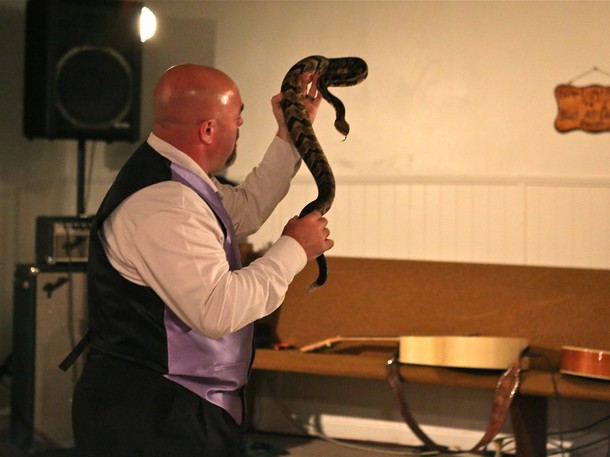
Just this past weekend the news came down from the hills of Kentucky that Jamie Coots, the pastor of a snake-handling church in Middleboro, had died after a bite from a timber rattler while ministering to his church.  This is a scenario that has been repeated for generations in this small sect of Appalachian congregations, most of which exist in Alabama, Kentucky and Tennessee. Yet what sets Coots’ death apart from the others is that he was the star of a popular series on the National Geographic Channel called “Snake Salvation.”

I admit to having my doubts about what National Geographic was up to when I first heard about the show.  I even wrote a blog in which I pondered about this being another retrograde reality show on the region.  I worried about the fact that the pastor’s last name was “Coots,” because I’m sensitive to the fact that people might poke fun at what they saw as a “hillbilly named ‘Coots.'”  I’m originally from Appalachia, so I know the cruelty that people bestow upon hill people.

So, I watched several episodes of “Snake Salvation.”  With a cynical eye at first. But my cynicism gave way to sincere interest and even appreciation. Because what I saw was a show that took seriously the faith and conviction of Jamie Coots and his family and of his protegé Andrew Hamblin, the pastor of another snake-handling church in nearby LaFollette,Tennessee. The series, I believe, helps viewers better understand their religious beliefs, which are similar to Pentecostal sects throughout the South, save one difference–the emphasis on Mark 16:18 on taking up serpents.  And unlike TLC’s “Here Comes Honey Boo Boo,” Coots and his family do not act like, nor have they been made to look like, buffoons.

Jamie Coots (Photo credit: National Geographic)

Pastor Coots wanted the viewers of “Snake Salvation” to understand that, as people, they were more than about hunting and handling poisonous snakes. And while the show emphasizes that part of their faith, one also can surmise that these are people who love and care about one another and who have daily challenges beyond finding snakes for a church service. Theirs is a deep conviction, and while I personally do not hold their views about religion or snakes (or the role of women, for that matter), I can respect what makes us different. Unfortunately, not everyone does.

In the few days since his passing, people have cast harsh judgement on Pastor Coots, his family, and this sect in the most insensitive way imaginable. Read some of the comments on the NPR post about this story and you’ll see what I mean. They don’t bear repeating here.

National Geographic will air a tribute to Pastor Coots and I encourage you to watch it and consider what I’ve written here.  And if you are so moved, read Dennis Covington’s book, Salvation on Sand Mountain: Snake Handling and Redemption in Southern Appalachia.

The story of this man’s death should not lead people to judgement, but to a better understanding and respect for differences in faith.

Have Y’all Heard? Voices from the Southern Blogosphere

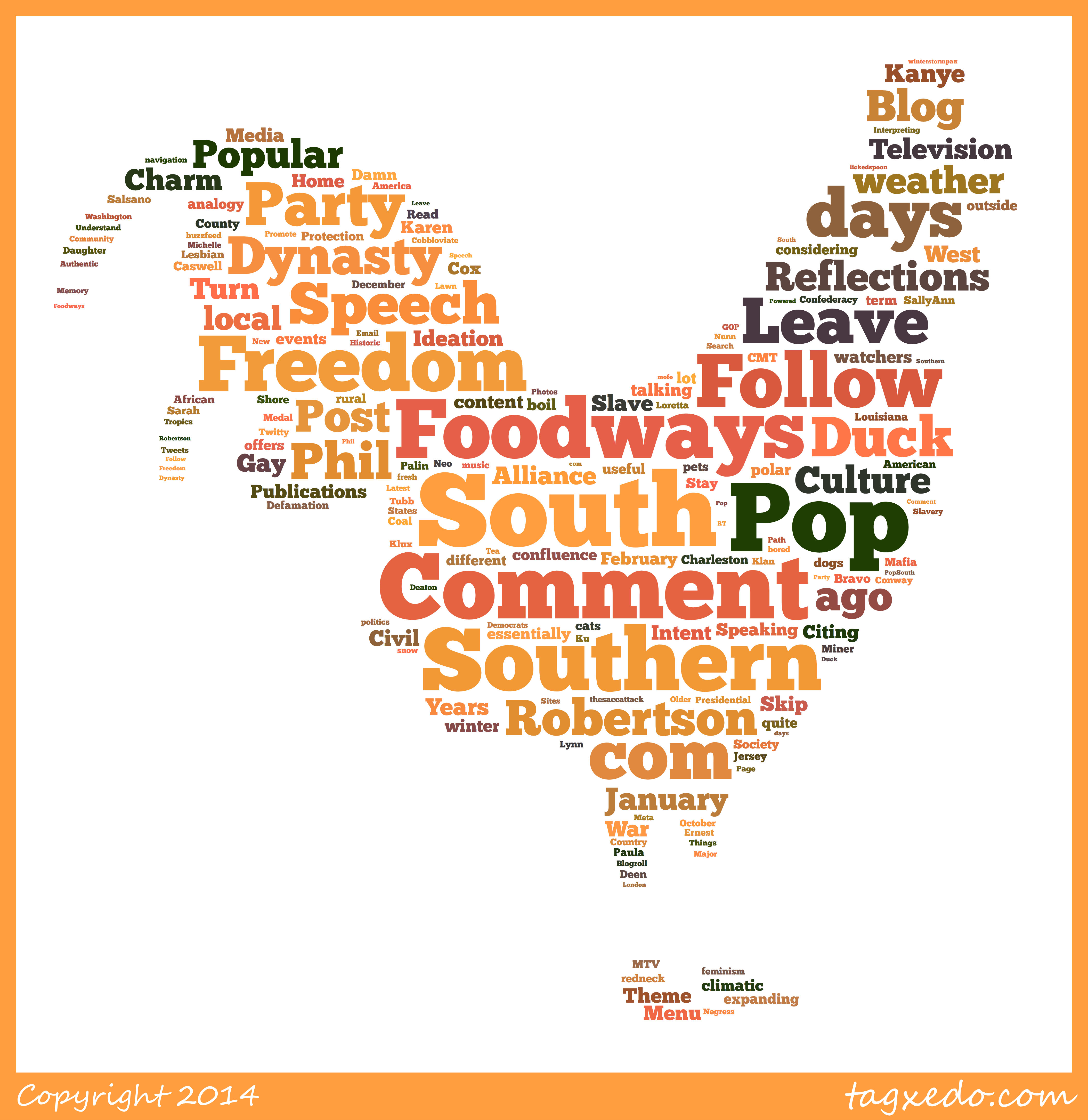
The Pop South Rooster Word Cloud

Writing posts for Pop South has been an enjoyable experience, and it’s also provided a means for connecting with the larger public about the ways in which the American South is represented in popular culture. This is especially important for folks like myself who work in academia, where our critics suggest that we exist in a bubble and are out of touch with the “real world.”

I, for one, have always wanted to burst that bubble and bridge the gap that exists between academia and the broader public. To put it plainly, I’ve long felt that I should be able to explain what I write about in terms that members of my family, who never went to college, can understand.

My work as a public historian–working for museums and writing exhibit text–helped me to bridge that gap. Today, my blog serves that purpose and not by “dumbing down” the intellectual considerations. A person doesn’t have to have a college degree to be smart, but I find that dispensing with the academic jargon that can separate “us” (the academics) from “them” (the general reader) is especially important in a blog whose purpose is to communicate about topics in a way that most people can understand and appreciate.

I’m happy to say that I am not alone here in the southern blogosphere, as equally like-minded folks are adding their unique take on the region and its culture. If scholars want to be relevant beyond the academy, and if southern studies wants the same, then we must take advantage of new forms of communication in order to reach the broadest possible audience.

I look forward to others joining the mix, because there’s plenty of room for new voices. For now, here’s an introduction to some southern blogs and bloggers whose writing I think you’ll enjoy:

Civil War Memory–So much of what is written about Civil War memory concerns the South and how memory of the war has shaped, and continues to shape, southern culture. In this long-running blog, historian and teacher Kevin Levin explores this topic with his readers by examining everything from new books, to popular media, to the never-ending divisiveness of the Confederate battle flag.

Cobbloviate–This is a blog hosted by James C. Cobb, Professor and Spalding Distinguished Research Professor and Spalding Distinguished Research Professor at the University of Georgia.  Dr. Cobb offers his own special take on the South and southerners and generally with a healthy dose of humor.

Field Trip South is the official blog of the Southern Folklife Collection at the University of North Carolina. It is a feast for the eyes and the ears as the SFC shares the archival resources of its phenomenal collection of materials that explore “the emergence of old-time, country-western, hillbilly, bluegrass, blues, gospel, Cajun and zydeco musics.”

Interpreting Slave Life–Nicole Moore, public historian and consultant, hosts this blog on one of the South’s most prickly historical issues–slavery.  She does so without sticking her head in the sand, addressing head-on the issue of slave interpretation at historic sites across the South.

New South Negress–Zandria Robinson’s blog offers a no-holds-barred approach to issues of region, race, and culture. Dr. Robinson is a professor of sociology at the University of Memphis who teaches courses in southern studies and who offers a fresh voice on southern black cultures.  Her observations on southern hip-hop are a must read.

Off the Deaton Path–Stan Deaton, Senior Historian at the Georgia Historical Society in Savannah, is one of the newest to this genre of writing.  You may know him from his Emmy-winning role as host of Today in Georgia History, but he’s recently added blogging to his repertoire. Dr. Deaton’s blog isn’t southern specific; still, his explorations into regional issues (especially as they relate to Georgia) are worth your time.

Red Clay Scholar–Regina Bradley has a Ph.D. in Literature from Florida State University and she writes about hip hop culture, race, and the U.S. South.  She also has a great video interview series called Outkasted Conversations.  You should definitely check it out!

Southern Foodways Alliance–The SFA blog has several contributing authors who offer readers everything from a good southern story to a delicious southern recipe. You’ll learn new twists on southern foodways and discover things about the region you didn’t even know existed.

Talk About the South–Dayne Sherman is a Louisiana native and an associate professor of library science who blogs about southern history, politics, folklore and religion with a particular focus on his home state. And he has the enviable Twitter handle @TweettheSouth.